Polyphenols have become one of those nutrition words that can make a bowl of berries sound medicinal. The more careful reading is less dramatic. These plant compounds may help explain why varied plant-heavy diets keep showing up in gut-health research, but the evidence still favours ordinary foods over extracts, scores, or miracle claims.
Polyphenols are not magic nutrients
Polyphenols are a large family of compounds made by plants. They include flavanols in tea and cocoa, anthocyanins in berries, phenolic acids in coffee, and many related compounds in beans, nuts, herbs, spices, and whole grains. That breadth is part of the appeal and part of the problem: when people say “polyphenols”, they are not talking about one nutrient with one dose and one predictable effect.
The popular claim is simple enough: eat more colourful plants and your gut bacteria will improve. The research does not quite let us say that so cleanly. A 2025 review of polyphenol-gut microbiota interactions described a two-way relationship: microbes can transform polyphenols into smaller metabolites, and polyphenols may in turn shift microbial activity. That is biologically plausible. It is not the same as proof that a specific food will repair a specific microbiome.
What the gut connection actually is
The gut angle matters because many polyphenols are poorly absorbed in the small intestine. A portion can reach the colon, where microbial enzymes help break them down. The resulting metabolites may be one reason polyphenol-rich diets are linked with inflammation, vascular, and metabolic markers in observational research. The chain is still complicated: food matrix, habitual diet, medication use, age, and baseline microbiome all change the result.
A 2024 study on habitual polyphenol consumption and gut microbiota found associations between higher polyphenol intake and a gut environment with fewer opportunistic, pro-inflammatory features. That is interesting, but it is still association. People who eat more berries, beans, coffee, tea, nuts, and whole grains may also differ in income, smoking, exercise, sleep, and overall diet quality.
That does not make the finding useless. Observational nutrition is often how a question begins. It tells researchers where to look, which patterns seem worth testing, and which mechanisms deserve more careful trials. It just cannot carry the whole argument by itself. The fair version is that polyphenol-rich diets are consistent with a healthier gut pattern, not that polyphenols alone have been proven to create one.
Food evidence is stronger than pill evidence
The strongest practical advice does not require counting milligrams of polyphenols. The NHS balanced-diet guidance still points people toward variety: at least five portions of fruit and vegetables a day, higher-fibre starchy foods, beans and pulses, unsalted nuts in modest portions, and less food high in saturated fat, sugar, and salt. That advice is not branded as a polyphenol protocol, which may be why it is less exciting. It is also closer to what the evidence can defend.
Supplement trials are more mixed and harder to translate. A 2025 systematic review and meta-analysis of polyphenol-rich interventions in adults with overweight or obesity reported signals for metabolic endotoxaemia, antioxidant activity, and short-chain fatty acid production. Those are plausible intermediate markers, not a guarantee of better long-term health. Many trials use extracts or concentrated products, and those do not behave exactly like breakfast, lunch, and dinner.
The ranking problem
Lists of “top polyphenol foods” are useful only up to a point. Coffee, tea, berries, cocoa, cloves, herbs, olives, apples, beans, and nuts all contribute, but the ranking depends on serving size, preparation, storage, plant variety, and the database being used. A teaspoon of dried spice can look spectacular on a laboratory chart and still contribute little to the total meal. A cup of coffee may contribute more simply because people drink it every day.
This is where food-fad thinking gets in the way. It is tempting to turn polyphenols into a scoreboard and then shop for the highest numbers. But a gut-friendly diet is not built from one heroic ingredient. It is built from repeated exposure to different fibres, starches, fats, proteins, and plant compounds. Polyphenols are part of that pattern, not a replacement for it.
There is also a practical bias in the lists. They often reward foods that have been measured, not necessarily foods that are uniquely important. A diet with beans, oats, lentils, apples, cabbage, olive oil, tea, and frozen berries may look unglamorous next to a superfood chart. It may still be more useful because it is repeatable, affordable, and built into meals rather than treated as a project.
Supplements change the question
A concentrated polyphenol capsule is not just “more plants”. It removes the compound from the fibre, water, minerals, and food structure it usually comes with. It may also deliver doses that are difficult to reach through food. That can be useful in research, because it isolates a variable. It can be less useful in daily life, because it creates a product question: what form, what dose, what purity, what interaction, and for whom?
There is also the old nutrition trap: if a diet pattern is associated with better health, the active ingredient may not be the labelled compound. People who eat polyphenol-rich foods often eat more fibre and less heavily processed food. Their diets may have more potassium and magnesium, and fewer calories from refined snacks. Pulling out the polyphenol and expecting the whole pattern to follow is a large assumption.
What this means in practice
- Use polyphenols as a variety cue, not a dose target: rotate berries, apples, citrus, beans, lentils, nuts, herbs, tea, coffee, cocoa, and colourful vegetables.
- Keep the food structure where possible. Whole fruit, beans, oats, and vegetables bring fibre and texture that juices, powders, and extracts often lose.
- Do not treat dark chocolate or red wine as health foods. Cocoa can contribute polyphenols, but chocolate also brings sugar and saturated fat; alcohol brings clearer risks than benefits.
- If coffee or tea suits you, they can be reasonable polyphenol sources. If they disturb sleep, anxiety, reflux, or palpitations, they are not worth forcing.
- Be cautious with high-dose extracts if you take regular medication, have liver or kidney disease, are pregnant, or are managing a diagnosed gut condition.
- Make changes slowly if your gut is sensitive. A sudden jump in beans, berries, and whole grains can mean bloating before it means anything more useful.
What we don’t know
We do not yet know which polyphenols matter most for which people. The microbiome is not one organ with one normal setting; it is an ecosystem that differs sharply between individuals. Two people can eat the same bowl of berries and produce different metabolite patterns. That makes universal advice hard.
We also do not know whether changes in gut bacteria after polyphenol-rich foods reliably translate into fewer heart attacks, less diabetes, better cognition, or longer life. Those are the outcomes people usually care about. Much of the current literature is still working with microbial abundance, short-chain fatty acids, inflammatory markers, or metabolic risk markers. Those are useful clues, not final answers.
The safest conclusion is also the least marketable one. Polyphenol-rich foods are a good reason to diversify plant intake, especially when they displace ultra-processed snacks. They are not a cure for a poor diet, a shortcut around fibre, or a supplement category that has outrun the evidence.
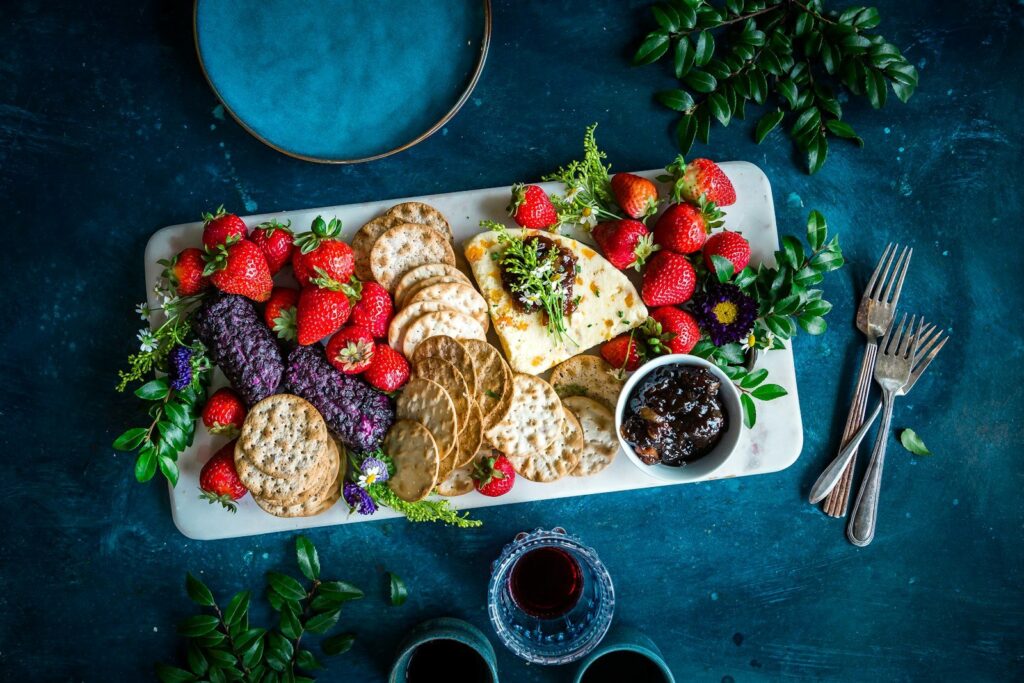
Photo: Brooke Lark on Unsplash.