Nutrition & Diet
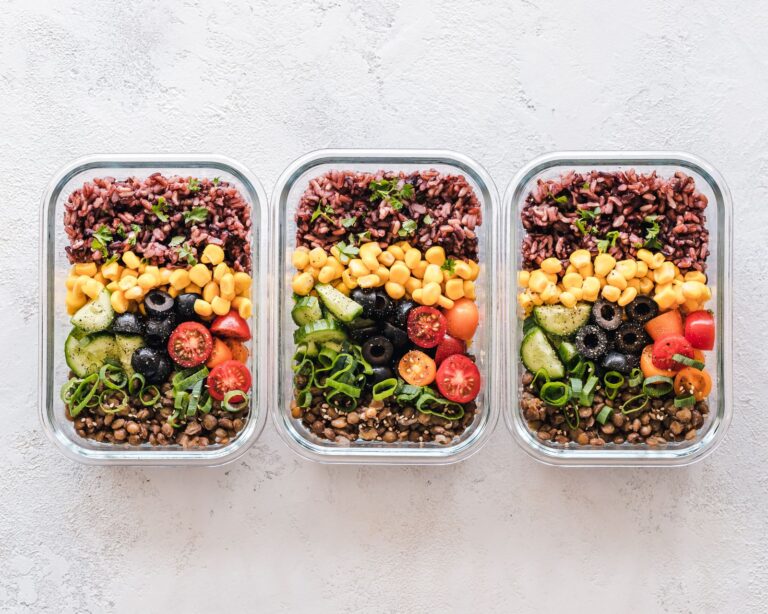
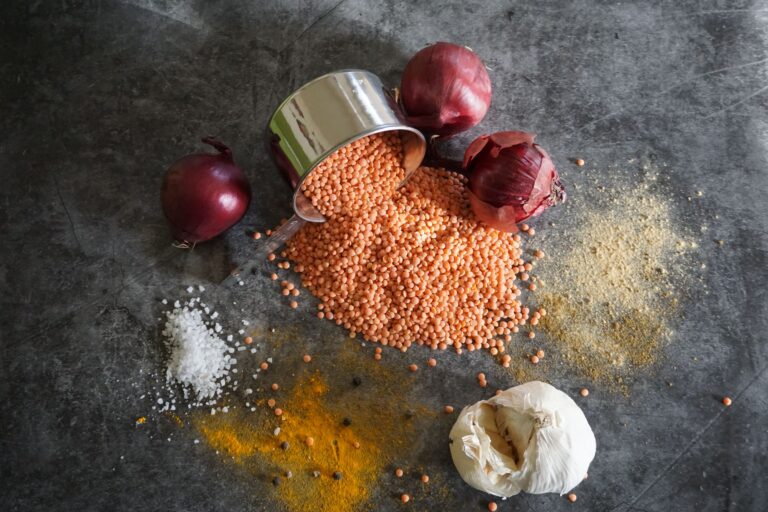
Beans on a Budget: What Actually Makes a Meal Cheaper?
Beans and lentils can lower meal costs, but drained weight, preparation and waste matter. Here is how to compare substitutions without a health promise.
Read the articleExplore the journal
Beans and lentils can lower meal costs, but drained weight, preparation and waste matter. Here is how to compare substitutions without a health promise.
Read the articleGluten-free diets treat coeliac disease, but general health claims need scrutiny. We examine heart evidence, symptom uncertainty, and testing precautions.
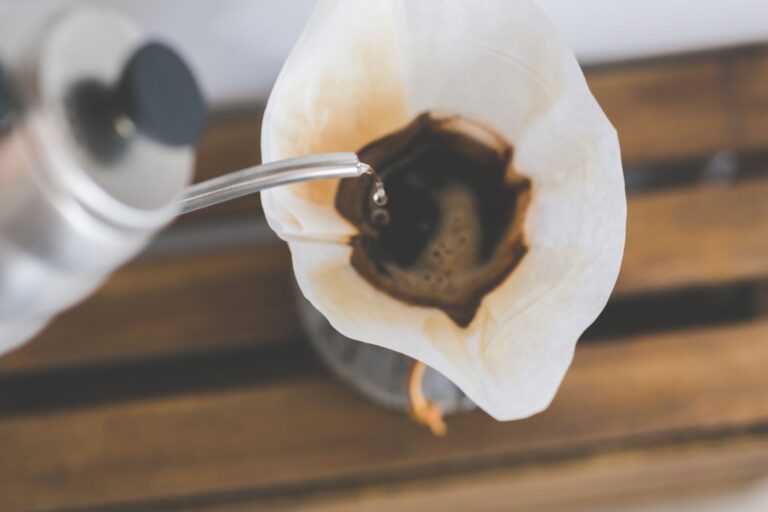
Read the articleCoffee brewing can affect cholesterol, but longevity claims remain uncertain. We examine paper filters, trial evidence and the limits of a daily cup.
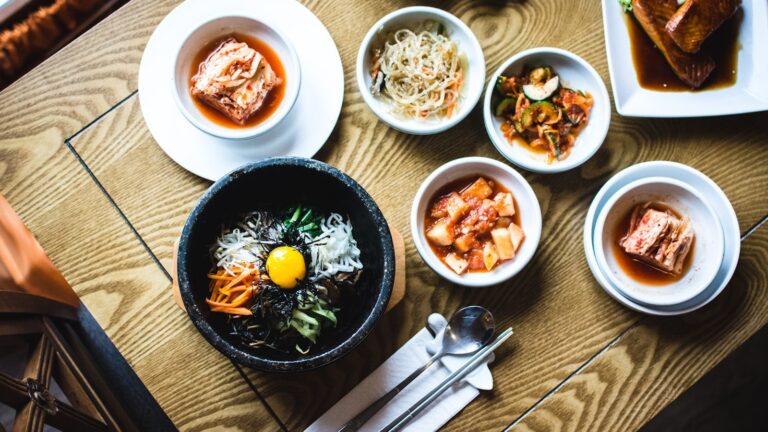
Read the articleThe 30-plants-a-week target is a useful prompt to vary meals, not a microbiome prescription. Here is what the evidence can and cannot support.
Read the articleMicrobiome reports can aid nutrition planning, but variable methods and incomplete validation mean they are best used as hypotheses, not prescriptions.
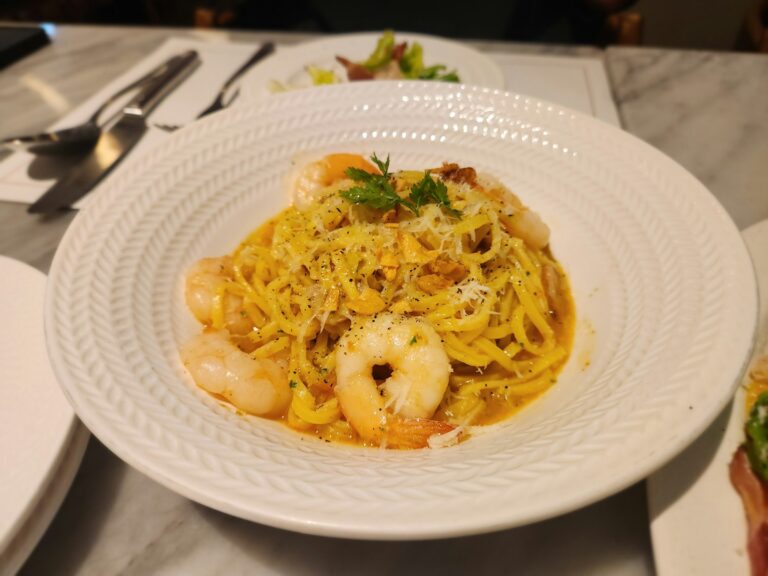
Read the articleA practical, cautious look at seafood in a longevity diet: what helps, what does not, who should limit intake, and how much uncertainty remains.
Read the articleA low-FODMAP plan can calm IBS symptoms when used briefly and deliberately, but evidence supports a phased, personal approach — not long-term strict avoidance.
Read the articleCholine matters for liver, brain and cell health after 50, but evidence supports food-level adequacy, not high-dose capsules or egg evangelism.
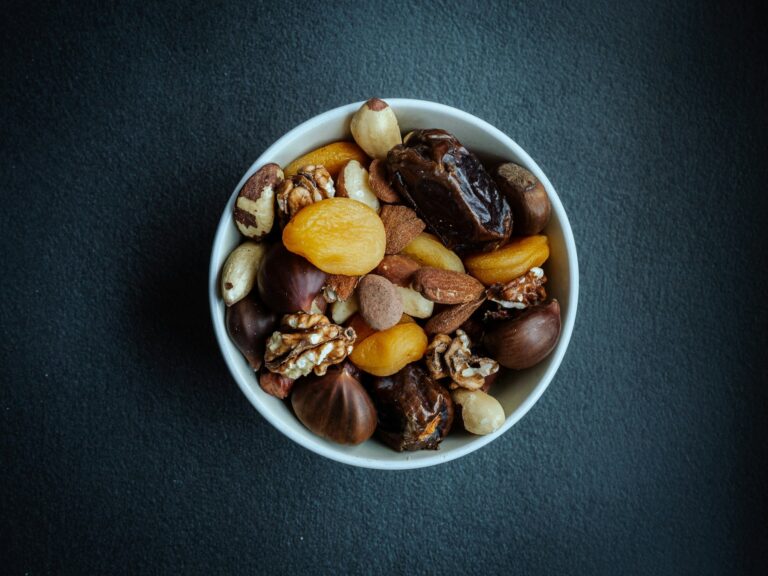
Read the articleNuts can support a heart-healthier diet when they replace less useful snacks, but the evidence favours modest portions over miracle claims overall.
Read the articleMagnesium-rich foods can help fill a common nutrition gap after 50, but the evidence supports a steady food pattern, not miracle claims or quick fixes.
Read the articleFind a little clarity