Prebiotics have become the polite cousin of probiotics: less famous, easier to sprinkle into a marketing claim, and often sold as the missing piece in a gut-health routine. The more careful reading is simpler. These are fibres and related compounds that feed bacteria in the colon. The evidence for eating them in food is real. The evidence for buying them in powder form is thinner, noisier, and harder to translate into daily meals.
Prebiotics are not probiotics, and they are not all fibre
A probiotic is a live microorganism. A prebiotic is food for microorganisms already living in the gut. In practice, that usually means certain carbohydrates that human enzymes cannot fully digest in the small intestine, so they reach the colon where bacteria ferment them.
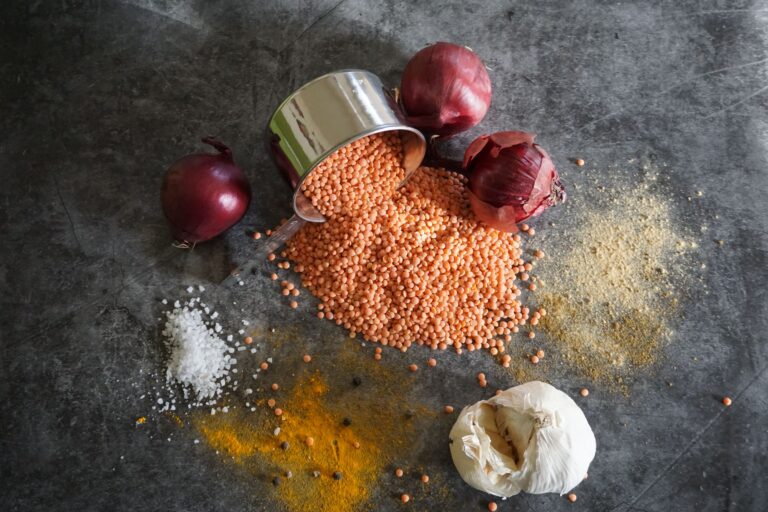
Inulin, fructo-oligosaccharides, galacto-oligosaccharides, and resistant starch all fall into this category. So do parts of onions, garlic, leeks, oats, barley, beans, lentils, chicory, and under-ripe bananas. The supplement aisle tends to sell one or two isolated compounds. A bowl of lentil soup delivers several, along with the fibre structure that trials rarely replicate in a sachet.
That distinction matters because the wellness market often treats prebiotics and probiotics as a matched set: add the bacteria, then add the fertiliser. Gut biology is messier. Different bacteria prefer different substrates. Dose, food matrix, transit time, and what else you ate that week all change the outcome.
What happens when prebiotics reach the colon
The main reason prebiotics interest longevity-minded readers is fermentation. Colonic bacteria break many prebiotic fibres into short-chain fatty acids, especially acetate, propionate, and butyrate. Butyrate in particular is often described as fuel for the cells lining the colon, and all three play roles in glucose handling, appetite signalling, and immune regulation.
A systematic review and meta-analysis in The American Journal of Clinical Nutrition examined prebiotics, synbiotics, and short-chain fatty acids alongside markers of systemic inflammation. About half the included studies reported a drop in at least one inflammatory marker. That is not nothing. It is also not a clean verdict. Study types, doses, populations, and outcome measures varied enough that the authors stressed heterogeneity rather than a single effect size you could print on a label.
The fair summary is that prebiotic fermentation produces metabolites with plausible health relevance. It has not been proven that a specific supplement dose reliably lowers disease risk in otherwise healthy adults.
Food evidence still leads supplement evidence
The strongest public-health advice on this topic is still broader than any branded prebiotic. NHS fibre guidance recommends adults work towards 30g of fibre a day from mixed sources: wholemeal bread, oats, beans, lentils, vegetables, fruit, nuts, and potatoes with skins. Most adults in the UK fall short. That gap is a food-pattern problem long before it is a deficiency of inulin powder.
Many everyday prebiotic foods are also high in total fibre, which helps explain why food-first advice keeps surviving contact with the evidence. People who eat more onions, pulses, and whole grains often eat less ultra-processed food. They get potassium, magnesium, and volume in the same mouthful. Pull out one fermentable carbohydrate and assume the rest of the diet will follow and you are making the same mistake the polyphenol and antioxidant stories made a decade ago.
There is also a practical overlap with fibre and longevity research. Observational studies linking higher fibre intake with lower cardiovascular and metabolic risk do not prove prebiotics alone drive the effect. They do suggest that a colon regularly receiving fermentable material is part of a pattern worth copying.
What supplement trials actually show
Isolated prebiotic trials are more encouraging in the laboratory than in the kitchen. Inulin is among the most studied ingredients. A 2024 meta-analysis in Food & Function pooled six microbiome studies covering 821 stool samples. Galacto-oligosaccharide interventions were associated with higher relative abundance of Akkermansia muciniphila in healthy participants, along with shifts in carbohydrate-metabolism pathways. Inulin was included in the analysis, but the clearest signal in the paper centres on GOS. That is biologically interesting. It is still a shift in microbial abundance, not proof that a prebiotic sachet prevents weight gain, diabetes, or bowel disease in free-living humans.
Supplement studies also use doses that can be hard to reach gradually. Jumping straight to 10g or 15g of inulin a day is a reliable route to bloating, gas, and abandonment of the whole experiment. Food sources spread the same substrates across meals and usually arrive with water and soluble fibre, which changes tolerance.
Then there is the product-quality problem familiar from other supplement categories. Research on sports supplements has found that labels do not always match what is in the jar, and that ingredient levels can vary across batches of the same product. Prebiotic powders face the same category risk: inulin, oligofructose, and acacia fibre are not held to medicine-grade testing before they reach the shelf.
Where probiotics fit, and where they do not
Prebiotics are often sold as the partner to probiotics. Sometimes that pairing is called a synbiotic. The logic is sound in theory: supply live bacteria and the food they prefer. In practice, the pairing is only as good as the strain, the dose, the delivery, and whether your gut needed that bacterium in the first place.
Our existing piece on probiotic supplements covers the live-bacteria side of that equation. NHS digestive-health guidance is cautious on probiotics: some people with irritable bowel syndrome may notice benefit, but many headline claims lack support, and products are regulated as food rather than medicines. Prebiotics face a similar translation gap. Fermentation in the colon is real. A branded synbiotic gummy solving your digestion is a much larger leap.
The FODMAP complication
One reason prebiotic advice cannot be universal is that the same fermentable carbohydrates praised in wellness copy can aggravate symptoms in people with irritable bowel syndrome. Garlic, onions, wheat, beans, and chicory are common triggers under low-FODMAP planning. For those readers, “eat more prebiotics” is not neutral guidance. It can mean more pain, distension, and urgency.
That does not make prebiotics bad. It makes personalised pacing essential. Some people rebuild tolerance slowly. Others do better emphasising oats, firm bananas, small portions of canned lentils, or fibres that are gentler for their symptoms. A clinician or dietitian familiar with bowel disorders is more useful here than a generic gut-detox plan.
What this means in practice
- Build from food before buying powders: onions, leeks, garlic, oats, barley, beans, lentils, chickpeas, nuts, seeds, and vegetables with skins.
- Increase fermentable fibre gradually if your gut is sensitive. A sudden jump from low fibre to large bowls of legumes is a common reason people quit before anything useful happens.
- Use NHS digestive-health guidance as the baseline: enough total fibre, enough fluid, and less greasy ultra-processed food.
- Do not treat chicory-root coffee, prebiotic chocolate, or fortified fizzy drinks as health foods. They may contain useful compounds. They can also carry sugar, calories, or marketing well ahead of evidence.
- Be cautious with high-dose inulin or GOS supplements if you have IBS, inflammatory bowel disease, are pregnant, or take medications affected by gut transit.
- If you already eat a varied plant-heavy diet with 25–30g fibre daily, a prebiotic supplement is unlikely to be the missing key.
What we don’t know
We do not know which prebiotic, at which dose, produces the best long-term health outcomes for which person. Microbiome research is moving quickly, but most trials still measure bacterial shifts, short-chain fatty acid levels, or metabolic markers over weeks or months. Hard outcomes such as fewer heart attacks, lower cancer incidence, or longer life are much harder to pin on one fermentable compound.
We also do not know whether raising Akkermansia or butyrate-producing bacteria in one individual will matter clinically if the rest of their diet, sleep, activity, and medical history stays the same. Gut science keeps rediscovering context.
The safest conclusion is also the least marketable. Prebiotic-rich foods belong in a varied, fibre-adequate diet. They are one reason to eat more plants, not a separate product category that repairs a poor diet on the side. If a supplement helps you bridge a short gap under professional guidance, that is one thing. If it becomes a substitute for beans and oats, it probably is not.
Photo: Dan Gold on Unsplash.