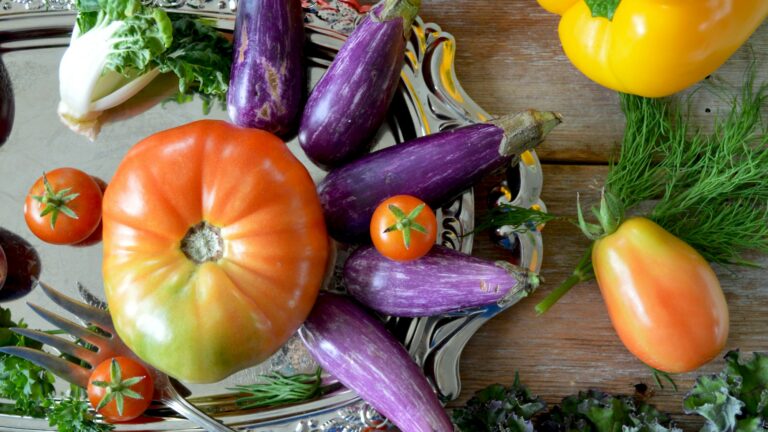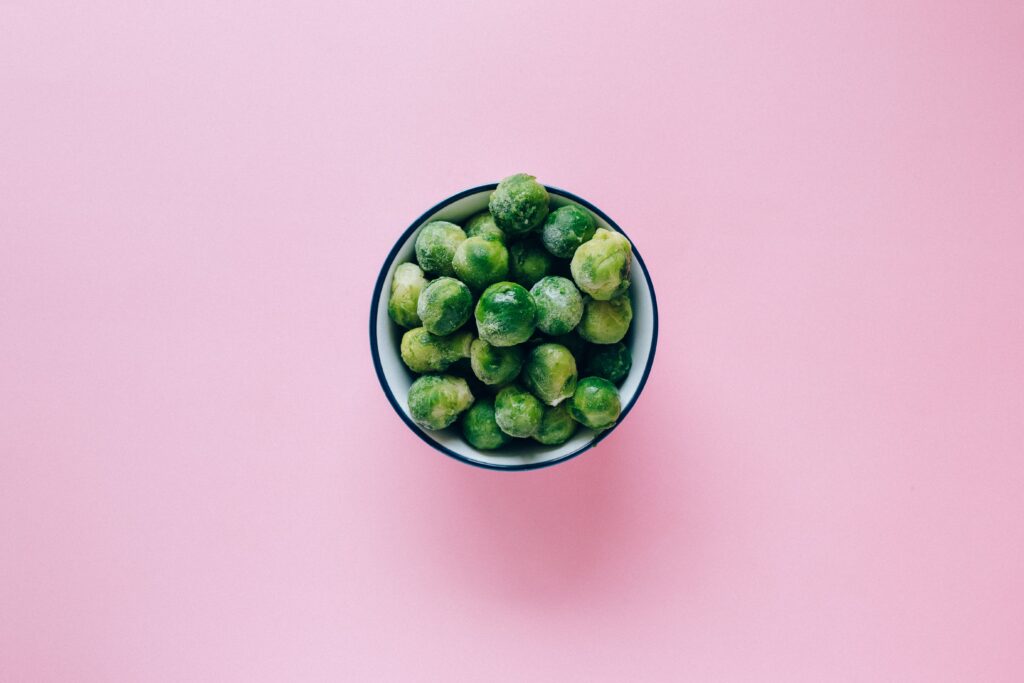
Fresh vegetables have an image advantage. They look like the beginning of a good meal; a bag from the freezer looks like the backup plan. Nutritional evidence gives us less reason to rank them that way. Frozen vegetables count towards a healthy diet, but that does not make every frozen product equivalent—or prove that choosing frozen over fresh will help anyone live longer.
Fresh is a description, not a nutritional guarantee
The popular claim is simple: processing takes goodness out, so fresh must be better. It is an appealing shopping rule. It also asks one word on a packet to do far too much work. Which vegetable? Which nutrient? How long has the fresh version been stored? A meaningful comparison needs answers to those questions.
A 2017 study in the Journal of Food Composition and Analysis compared selected nutrients in fresh, frozen, and “fresh-stored” produce. The last category involved five days of refrigeration, an attempt to reflect what happens after shopping. Its findings challenged the assumption that fresh produce necessarily contains substantially more nutrients; in some comparisons, frozen produce performed better than the refrigerated alternative.
This was a food-composition study. It measured selected nutrients, not heart attacks, memory, or years of healthy life. It cannot establish that frozen vegetables are healthier overall. What it can do is undermine the idea that the freezer aisle deserves an automatic nutritional downgrade. The study dates from 2017, and should be read as a specific comparison rather than a current audit of everything sold today.
The comparison should match the meal
There is an easy way to make this debate unhelpful: compare the best imaginable fresh vegetable with an unspecified frozen one. A fairer question is what you would actually buy, prepare, and eat. Fresh broccoli for tonight and fresh broccoli waiting several days in the fridge are different comparisons, as the storage category in that study recognises.
For shopping purposes, consider two decisions separately. First, which vegetables would work in the meals you like? Second, which form fits your kitchen? Neither question needs a universal winner. Fresh tomatoes might be your choice for a salad, whilst a frozen vegetable mix might be your choice for a cooked dish. That is a menu decision, not a declaration of nutritional allegiance.
The NHS guidance on what counts towards 5 A Day includes fresh, frozen, and canned fruit and vegetables. Vegetables incorporated into dishes count too. There is no requirement to buy everything fresh, or to serve vegetables as an isolated side dish, for them to belong in a balanced eating pattern.
Vegetable evidence is not evidence for a freezer effect
The broader health question has a different evidence base. In Dong Wang and colleagues’ 2021 Circulation analysis, higher fruit and vegetable intake was associated with lower mortality. The work combined two US cohorts with a meta-analysis of 26 cohort studies, involving approximately 1.9 million people. The lowest mortality was observed around five servings a day.
That is observational evidence. People were not randomly assigned long-term diets, and statistical adjustment cannot remove every difference between people who eat more vegetables and those who eat fewer. The results support existing dietary guidance; they do not promise a particular reduction in an individual’s risk. They also do not establish a fresh-versus-frozen advantage.
The associations were not identical for every food group: peas and sweetcorn, for example, did not show the same mortality association as many other vegetables. That does not turn them into foods to avoid. It does show why we cannot assume that every vegetable has a proven, identical effect on lifespan. Variety is a more defensible message than crowning one product.
The ingredients matter alongside the storage method
“Frozen” tells you where a product is kept. Read the rest of the label before treating it as a complete nutritional description. A plain vegetable and a vegetable dish with a sauce are different purchases; the ingredients list and nutrition panel help explain what else you are buying. This is not a reason to ban convenient foods. It is a reason to compare like with like.
The NHS portion guide uses the same quantities for tinned and frozen vegetables as for fresh equivalents, and recommends choosing vegetables canned in water without added salt or sugar. Its adult portion benchmark is 80g. That is a public-health reference point, rather than a demand to weigh every dinner.
A useful label question is therefore quite ordinary: does this product suit the meal and any dietary advice I have been given? Paying extra for reassuring language on the front of the pack cannot answer that. Nor does choosing the cheapest bag, by itself, tell you whether you will enjoy eating it.
Convenience still needs food safety and individual context
The Food Standards Agency’s cooking guidance advises following packet instructions, including when frozen vegetables will be eaten cold. Before preparing a frozen vegetable product, read and follow its cooking instructions. If the packet requires cooking, do that before using the vegetables in a cold dish as well. Do not treat thawing as permission to skip an explicit cooking step. Convenience should make a meal easier to organise, without making its preparation instructions optional.
There is also a limit to general advice about eating more of any food. People receiving dietary treatment should use their own care plan. The NHS guidance on living with chronic kidney disease explains that a special diet is not always necessary, but raised potassium or phosphate may require advice from a dietitian. Freezing is not a reason to assume a vegetable is suitable for an individual restriction.
If prescribed restrictions make shopping confusing, asking a dietitian which products and portions fit is more useful than applying a fresh-versus-frozen rule. Do not abandon an agreed clinical diet on the strength of a general nutrition article. The relevant issue is your clinical situation, not the reputation of an aisle.
What this means in practice
- Compare one fresh and one plain frozen option you would actually eat. Check the price per kilogram and the amount you expect to use, rather than assuming either form is always cheaper.
- Plan a specific meal for the vegetables you buy. A bag chosen for a familiar soup or cooked dish may be easier to use than an ambitious purchase without a plan.
- Read ingredients and preparation instructions before buying a new product. Keep a plain vegetable comparison separate from one involving sauces or other additions.
- If portion sizes are unclear, consult the NHS guide once for your usual vegetables. Use it as a reference, rather than turning meals into a counting exercise.
- Follow cooking instructions, and keep any clinician-agreed dietary restrictions in place. Ask your dietitian about alternatives if the usual products do not fit.
What we don’t know
The sources here do not establish that switching from fresh to frozen vegetables changes long-term disease risk or lifespan. A laboratory nutrient comparison cannot answer that question, and a cohort study of overall vegetable intake cannot supply the missing experiment. Nutrient measurements are useful evidence, but they are not interchangeable with clinical outcomes.
We also cannot use a selected set of produce samples to rank every variety, brand, storage history, and cooking method. Nor can we assume that convenience makes everyone eat more vegetables: that would need its own evidence. Treat that as a possibility to test in your household, not a promised health benefit.
Fresh vegetables can be an excellent choice. Frozen vegetables can belong in the same kitchen without apology. The evidence leaves plenty of room for taste, cost, and practicality—and much less room for the claim that fresh is always nutritionally superior.
Photo: Nataliya Vaitkevich on Pexels.