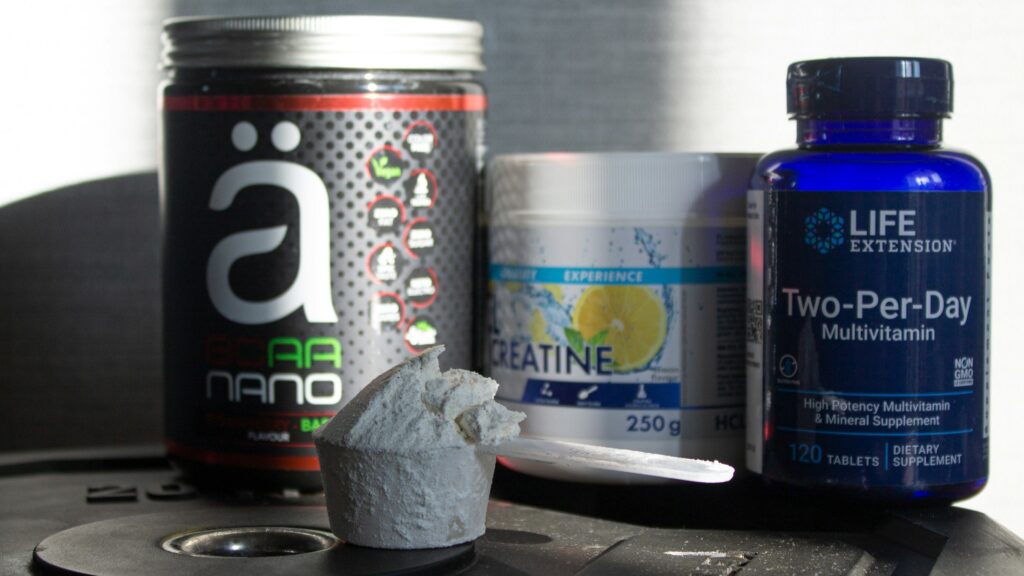
Supplements are easiest to oversell when they are packaged as a “longevity stack”. A better question is narrower: are there compounds with plausible benefits for ageing-relevant outcomes, tolerable safety profiles, and enough human evidence to justify a careful conversation? For a few, the answer may be yes. For none, the answer is “take this forever without context”.
Start with the product, not the promise
The first problem with supplements is not always the molecule. It is the product. In the United States, the FDA says dietary supplements are not approved for safety and effectiveness before sale. That is a very different standard from a prescription drug. A label can describe an ingredient accurately, vaguely, or sometimes poorly, and the reader has to do more of the risk assessment than most marketing suggests.
That does not make every supplement useless. It does mean the evidentiary bar should be higher, especially for adults taking medicines, managing kidney or liver disease, preparing for surgery, pregnant, breastfeeding, or buying multi-ingredient blends. The compound and the product on the shelf are separate questions.
Creatine monohydrate: strongest for muscle, not immortality
Creatine monohydrate is the closest thing this category has to a boring, well-studied supplement. Its best evidence is not for lifespan directly, but for strength, power, and lean mass when combined with resistance training. Those outcomes matter because muscle loss and frailty are central ageing problems, even if creatine itself is not a longevity drug.
A position stand in the Journal of the International Society of Sports Nutrition describes creatine monohydrate as effective for increasing high-intensity exercise capacity and lean body mass during training. In practical terms, the usual maintenance dose in studies is often around 3–5 g per day, with monohydrate as the form with the longest track record.
The caveat is important. Creatine can increase body weight through water retention, can complicate interpretation of creatinine blood tests, and should be discussed with a clinician in people with kidney disease or unexplained kidney markers. It is also not a substitute for lifting weights. Without training, the case becomes much weaker.
Vitamin D: useful when status is low
Vitamin D is often marketed as an all-purpose health shield. The more defensible version is less dramatic: vitamin D matters for calcium metabolism, bone health, and deficiency correction. It may be worth considering when blood levels are low, sun exposure is limited, diet is sparse, skin coverage is high, or an older adult is at risk of deficiency.
The NIH Office of Dietary Supplements vitamin D fact sheet lists recommended intakes of 15 mcg, or 600 IU, per day for most adults up to age 70, and 20 mcg, or 800 IU, after 70. It also lists a tolerable upper intake level of 100 mcg, or 4,000 IU, per day for adults. More is not automatically better.
Risk is usually dose-related. Excess vitamin D can raise calcium levels, which can cause nausea, weakness, kidney stones, and kidney damage. People taking thiazide diuretics, digoxin, or high-dose calcium, and people with granulomatous diseases or kidney disease, should be especially cautious. Testing can make this a targeted correction rather than a blind habit.
Omega-3: food first, supplements selectively
Omega-3 fatty acids are a good example of the difference between a nutrient pattern and a capsule. Eating oily fish is consistently associated with healthier cardiovascular patterns, but supplement trials have been more mixed. That does not make EPA and DHA irrelevant; it means the use case has to be specific.
The National Center for Complementary and Integrative Health notes that omega-3 supplements have not been shown to protect against heart disease in the broad, simple way supplement advertising often implies. Prescription-strength omega-3 products are different from over-the-counter fish oil and are used under medical supervision, particularly around triglycerides.
For a generally healthy adult, fish intake may be the more evidence-aligned first move. If a supplement is used, the label should specify EPA and DHA amounts, not just “fish oil”. People taking anticoagulants or antiplatelet medicines, those with bleeding disorders, and anyone scheduled for surgery should discuss higher-dose omega-3 use with a clinician.
Magnesium: plausible for shortfalls, easy to overdo
Magnesium is involved in muscle and nerve function, glucose handling, blood pressure regulation, and bone biology. That makes it sound like a longevity supplement. The more cautious interpretation is that low intake is common enough to notice, but supplementation is most compelling when diet, symptoms, medicines, or clinical context suggest a shortfall.
The NIH magnesium fact sheet lists adult recommended intakes in the range of 310–420 mg per day, depending on sex and life stage. It also notes that high supplemental magnesium can cause diarrhoea, nausea, and abdominal cramping, and that very high intakes can become dangerous.
Form matters because some forms are used as laxatives and some are better tolerated than others. Magnesium can also interfere with absorption of bisphosphonates, some antibiotics, and levothyroxine if taken too close together. People with kidney disease are at higher risk of magnesium accumulation and should not treat it as harmless because it is a mineral.
Protein powder: food in a tub, not a magic compound
Protein powder belongs on this list only if we are honest about what it is. It is processed food, not a special longevity molecule. Its value is convenience: it can help someone meet protein needs when appetite, time, dental issues, vegetarian eating patterns, or training demands make whole-food protein harder to reach.
A 2018 systematic review and meta-analysis in the British Journal of Sports Medicine found that protein supplementation enhanced strength and fat-free mass gains during resistance training, with benefits plateauing around 1.6 g of protein per kg of body weight per day in the studied context. That finding supports filling a gap, not endlessly pushing intake higher.
Older adults may need particular attention to protein distribution across the day, but kidney disease changes the calculation. Anyone with chronic kidney disease, significant liver disease, or medically prescribed protein limits should follow clinical advice rather than fitness-industry targets. As with other supplements, third-party testing matters because powders can vary in heavy metal contamination and label accuracy.
What this means in practice
- Treat supplements as targeted tools, not a default routine for ageing well.
- Choose single-ingredient products where possible, with the dose and form clearly listed.
- Prefer third-party verification from programmes such as USP, NSF, or Informed Sport when available.
- Check medicines and medical conditions before adding omega-3, magnesium, vitamin D, or creatine.
- Use blood tests where they are relevant, especially for vitamin D and unexplained mineral concerns.
- Stop and seek medical advice if a supplement causes new symptoms, bleeding, palpitations, severe gut upset, or abnormal blood results.
What we don’t know
We do not have a clean human trial showing that a five-supplement routine extends lifespan in generally healthy adults. Most evidence here is indirect: muscle preservation, nutrient correction, triglyceride management, or training support. Those are ageing-relevant outcomes, but they are not proof of slower biological ageing.
There is also a quality-control gap. A compound can be well studied while a particular product is under-dosed, contaminated, or combined with unnecessary extras. The NCCIH warns that supplements can interact with medicines and pose risks in some medical situations, which is exactly why “natural” is not a safety category.
The most defensible supplement plan is boring: identify a gap, pick the simplest product, use a dose with human evidence, monitor the reason you started, and stop if the benefit is unclear. Longevity does not need a stack as much as it needs a good filter.
Photo: Andrey Khoviakov on Unsplash.