Snoring is common, and most snoring is not automatically obstructive sleep apnoea. The distinction matters more after midlife because airway anatomy, sleep architecture, weight distribution, alcohol sensitivity, medicines, and cardiovascular risk all shift with age. The science is clearer for recognition than for home diagnosis: noisy nights plus daytime impairment deserve a proper sleep assessment, not panic and not guesswork.
Why snoring is an imperfect signal
Obstructive sleep apnoea happens when the upper airway repeatedly narrows or closes during sleep, causing under-breathing or pauses in breathing and brief arousals that fragment the night. NICE guideline NG202 describes the condition as disrupted breathing during sleep that can lead to poor sleep quality and excessive sleepiness. Snoring can be part of that picture because turbulent airflow is noisy. But snoring alone is not the diagnosis.
The more useful question is whether snoring sits alongside other clues: witnessed pauses in breathing, choking or gasping, morning headaches, waking unrefreshed, high blood pressure, needing to urinate repeatedly at night, or struggling to stay alert during the day. The science is clearer for these clusters than for any single bedroom observation. A person can snore heavily without clinically important apnoea, and a person with apnoea may not fit the old stereotype of a very sleepy, larger-bodied middle-aged man.
Why the signal changes after 50
Ageing does not cause sleep apnoea by itself, but it changes the background against which breathing disorders appear. Muscle tone in the upper airway can fall during sleep. Fat distribution can shift toward the neck and abdomen. Menopause can alter risk in women, partly through changes in respiratory control and body composition. Medicines that relax the airway or blunt arousal responses may also matter. Alcohol is a familiar example: it can reduce airway tone and make breathing events longer or more frequent in susceptible people.
There is another midlife wrinkle. Sleep becomes lighter and more fragmented with age, so people often explain fatigue as simply getting older. Sometimes that is true. Sometimes fragmented sleep is being driven by repeated breathing interruptions. The underlying point is simple: duration is not architecture. Eight hours in bed can still be biologically poor sleep if the brain keeps surfacing to reopen the airway.
Diagnosis is not a questionnaire
The American Academy of Sleep Medicine is blunt on this point. In its clinical practice guideline for adult diagnostic testing, the AASM says clinical tools, questionnaires, and prediction algorithms should not be used to diagnose obstructive sleep apnoea without polysomnography or technically adequate home sleep-apnoea testing. In plain English: screening questions can identify risk, but they do not replace measurement.
That matters because the consequences of a wrong label run in both directions. Under-calling apnoea can leave someone with untreated sleepiness, blood-pressure strain, or driving risk. Over-calling it can turn ordinary snoring into a medical identity and push people toward equipment they may not need. A sleep clinician is not just counting events per hour; they are also looking at oxygen dips, arousals, symptoms, coexisting disease, and whether the test itself was adequate.
Anyone with severe daytime sleepiness, near-misses while driving, or witnessed long pauses in breathing should treat this as a safety issue and seek medical advice promptly. This is especially important for people who drive for work, use sedating medicines, have heart failure, chronic lung disease, neuromuscular disease, prior stroke, or possible obesity hypoventilation. Those situations can change which test is appropriate and how quickly assessment should happen.
The cardiovascular link is real, but not simple
Obstructive sleep apnoea is not only a sleep-quality problem. Repeated airway closure can create cycles of oxygen desaturation, sympathetic nervous-system activation, blood-pressure surges, and sleep fragmentation. The American Heart Association scientific statement sets out the association between obstructive sleep apnoea and cardiovascular conditions including hypertension, atrial fibrillation, coronary disease, heart failure, and stroke.
Association is the important word. Sleep apnoea often travels with age, higher body weight, metabolic disease, and cardiovascular risk factors, so it is difficult to separate cause, marker, and amplifier. Still, the breathing pattern is physiologically plausible as a stressor on the cardiovascular system. That makes it worth recognising, particularly in people with resistant hypertension, recurrent atrial fibrillation, or unexplained daytime sleepiness.
A 2024 JAMA Network Open cohort study of 888,835 older adults with obstructive sleep apnoea found that those with evidence of positive airway-pressure initiation had lower all-cause mortality and major adverse cardiovascular event risk than those without evidence of initiation. This was observational, not a randomised trial, so it cannot prove that the machine itself caused the lower risk. It does support the idea that treatment engagement in older adults is clinically meaningful enough to study seriously.
What treatment can and cannot promise
Positive airway pressure, usually CPAP or auto-adjusting PAP, works mechanically: it uses air pressure to hold the airway open. That is not glamorous, but it matches the problem. The 2019 American Academy of Sleep Medicine PAP guideline recommends positive airway pressure for adults with obstructive sleep apnoea and excessive sleepiness, and suggests it for adults with impaired sleep-related quality of life or comorbid hypertension. Its companion systematic review and meta-analysis found evidence that PAP improves daytime sleepiness, disease-specific quality of life, and blood-pressure measures across the reviewed trials.
The limits matter. CPAP does not suit everyone, and adherence is not a moral test. Mask leaks, nasal dryness, pressure discomfort, claustrophobia, insomnia, and travel logistics can all get in the way. Oral appliances, positional therapy, weight-management support, alcohol reduction, nasal obstruction treatment, and selected surgical approaches may be relevant for some people, but each has a different evidence base and risk profile. A dental device can alter bite or jaw comfort; sedatives can worsen breathing in some patients; and buying an unassessed device online is a poor substitute for diagnosis.
The aim is not to turn every snorer into a patient. It is to identify the people whose breathing is repeatedly disrupting sleep or oxygenation, then match the intervention to the severity, symptoms, comorbidities, and tolerance.
What this means in practice
- Ask a bed partner, if you have one, whether snoring is paired with pauses, gasping, choking, or restless sleep.
- Track daytime function for two weeks: sleepiness while reading, watching television, working, or driving is more informative than snoring volume alone.
- Raise the issue with a GP or sleep clinician if you have loud habitual snoring plus high blood pressure, atrial fibrillation, morning headaches, or unrefreshing sleep.
- Do not use a questionnaire score, smartwatch oxygen dip, or phone recording as a diagnosis; use it as a reason to discuss proper testing.
- Be cautious with alcohol, sedatives, and opioid pain medicines if sleep-disordered breathing is suspected, and ask a clinician before changing prescribed medicines.
- If sleepiness affects driving, treat it as urgent and avoid driving until you have taken appropriate medical advice.
What we do not know
Several questions remain unsettled. We do not know exactly which older adults gain the largest long-term cardiovascular benefit from PAP therapy, because randomised cardiovascular-outcome trials have been harder to interpret than symptom trials. We do not know how best to weigh oxygen-desaturation burden, arousals, and event counts for every individual. We also do not know whether consumer sleep technology will reliably improve recognition without increasing false alarms.
The evidence is strongest for diagnosis by sleep testing and for symptom improvement in appropriately selected people with moderate to severe obstructive sleep apnoea. It is weaker when the claim becomes broader: that treating mild, minimally symptomatic apnoea will necessarily prevent heart disease, dementia, or accelerated ageing. Those may be research questions. They are not promises a responsible clinician or publication should make.
Snoring after 50 is best treated as a signal, not a verdict. When it comes with sleepiness, witnessed pauses, or cardiovascular risk, it deserves a measured conversation and, where appropriate, a sleep test.
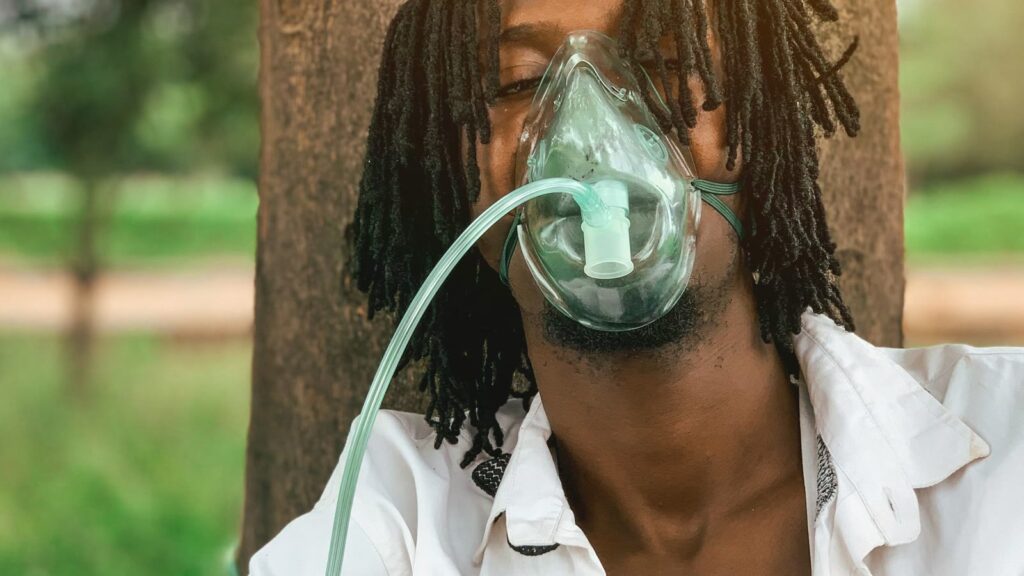
Photo: Victor Chijioke on Pexels; cropped to landscape.