Sleep Optimization
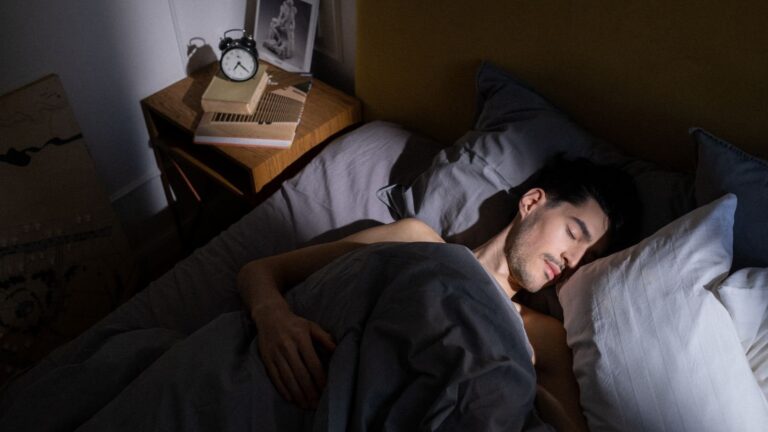
Why You Wake at 3am: Sleep Maintenance, Not Mystery
Waking at 3am is usually sleep maintenance, not a character flaw. Ageing, alcohol, light, stress and timing all shape the second half of sleep.
Read the articleExplore the journal
Waking at 3am is usually sleep maintenance, not a character flaw. Ageing, alcohol, light, stress and timing all shape the second half of sleep.
Read the articleRepeated dream-related movements can cause injury. Learn how sleep assessment separates possible causes, and why future-risk claims need careful context.
Read the articleRestless legs can disrupt sleep, but recognising the pattern is only a start. Learn what iron testing and treatment evidence can, and cannot, tell us.
Read the articleMorning grogginess is often normal sleep inertia, not a personal failure. Here is what affects it, what may help, and when to seek clinical advice.
Read the articleStale air and night noise can fragment sleep even when your routine is solid. Evidence points to practical home changes, but still with clear uncertainty.
Read the articleLate-day caffeine can still reduce sleep quality for many people. Evidence points to staged timing trials, not blanket rules, as the most useful path.
Read the articleHome sleep tests can identify likely obstructive sleep apnoea, but they do not replace clinical judgement or reliably rule out every sleep disorder.
Read the articleBedroom temperature shapes sleep through the body's cooling rhythm. Here is what evidence supports, where comfort matters, and what to adjust tonight.
Read the articleSocial jet lag is the gap between weekday and weekend sleep timing. Evidence points to steadier wake times, not a stricter or joyless routine.
Read the articleNight-time urination can fragment sleep, but it is often treatable once the pattern, bladder signals, and sleep disruption are separated.
Read the articleFind a little clarity