Sleep Optimization
Evening Light and Sleep: Timing Matters More Than Screens
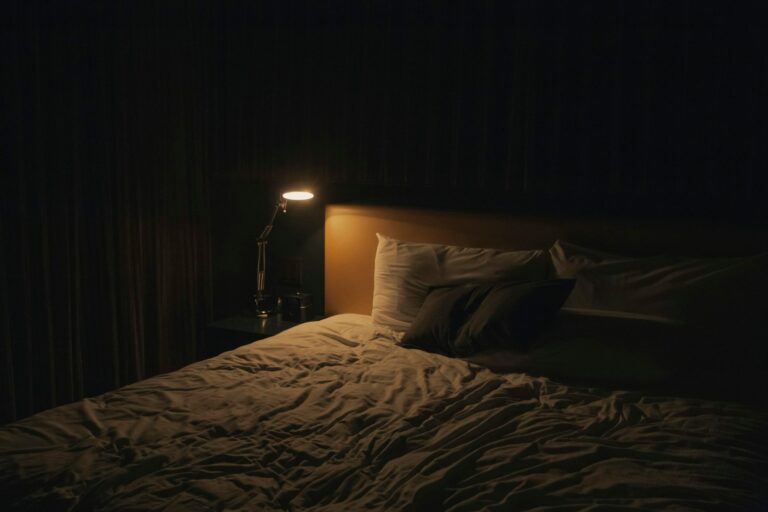
Evening light can delay sleep by shifting the body clock. The useful fix is not screen panic, but brighter mornings, dimmer nights, and steady timing.
Read the articleExplore the journal
Evening light can delay sleep by shifting the body clock. The useful fix is not screen panic, but brighter mornings, dimmer nights, and steady timing.
Read the articleChronotype shapes when sleep comes easily. The goal is not to force a new identity, but to reduce social jet lag where it harms sleep and health.
Read the articleCPAP works best when it is tolerable. Here is what the evidence says about masks, humidification, oral devices, and follow-up for sleep apnoea.
Read the articleCaffeine can disturb sleep long after the buzz fades. A sensible cut-off is earlier than many people think, especially when the dose is high.
Read the articleA bedroom can sound quiet enough and still keep the sleeping brain on duty. Night-time noise does not need to wake you fully to matter. The evidence is…
Read the articleCBT-I treats chronic insomnia by retraining sleep timing and habits. It is first-line care, but not a quick fix or a cure-all for every sleeper.
Read the articleRotating and night shifts push against the circadian clock. Here is what the evidence says about sleep loss, health risks, and what actually helps.
Read the articleKeep your bedroom cool enough for your body to shed heat, because that temperature dip supports deeper sleep, steadier energy throughout the next day.
Read the articleA nightcap can make you sleepy fast, but the evidence shows it fragments sleep later in the night and can worsen snoring and sleep apnoea.
Read the articleSleep inertia can make mornings feel foggy after 50, but sleep timing, sleep debt, medicines, and safety matter more than willpower or blame.
Read the articleFind a little clarity