CPAP has a reputation problem because it asks a sleeping person to tolerate a machine, a mask, a hose, and pressurised air at the exact moment the body wants ease. But for moderate or severe obstructive sleep apnoea, the science is clearer for one point than for almost anything else in sleep medicine: the treatment that works is the one a person can use, night after night.
Why CPAP is still the first-line tool
Obstructive sleep apnoea happens when the upper airway narrows or closes during sleep, repeatedly interrupting breathing and sleep architecture. NICE describes the pattern as apnoeas or hypopnoeas that trigger lighter sleep or waking, often leaving people with unrefreshing sleep, morning headaches, nocturia, cognitive fog, or excessive sleepiness. The same NICE guideline recommends CPAP for adults with moderate or severe symptomatic OSAHS, which is why clinicians keep returning to it even when patients understandably find it awkward at first: NICE guideline NG202.
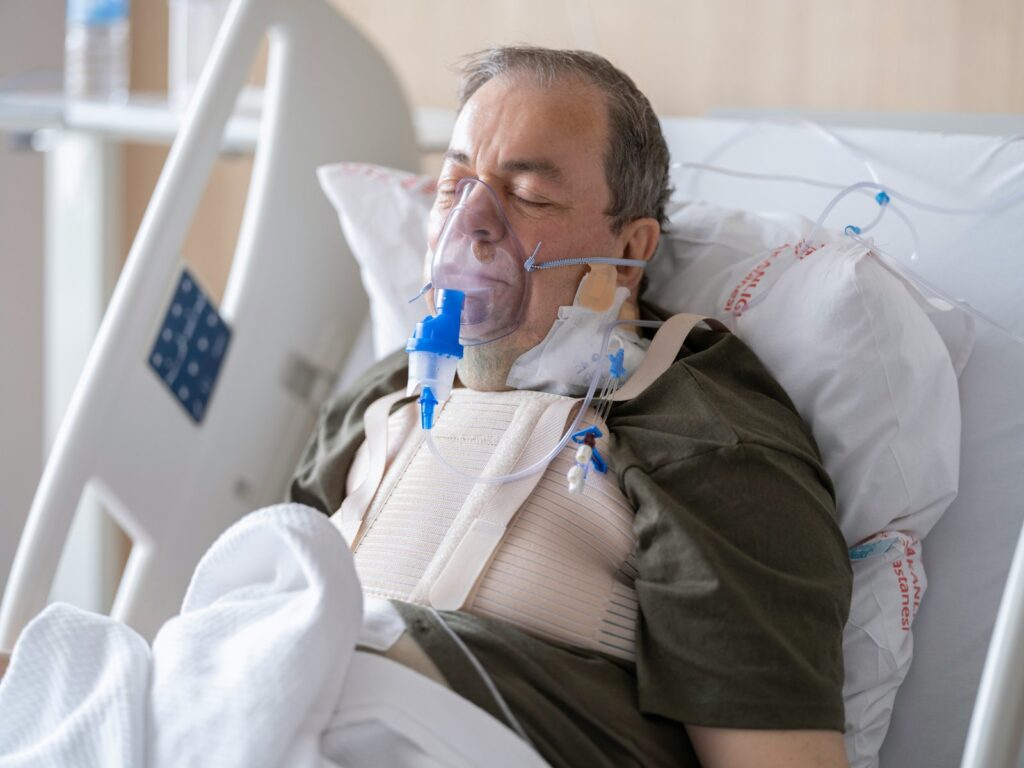
The mechanism is not mysterious. CPAP provides continuous positive airway pressure through a mask, holding the airway open so it is less likely to collapse. The NHS describes the practical result in patient terms: better breathing during sleep, improved sleep quality, less tiredness, and lower risk of problems linked with sleep apnoea such as high blood pressure. That does not make the first week easy. It does make the discomfort worth solving rather than simply enduring: the NHS guide to sleep apnoea.
The comfort problem is part of the treatment
Many people think of CPAP comfort as a side issue, as if the medical treatment is the pressure setting and everything else is bedside fussing. In practice, comfort is often the difference between treatment and an expensive object on the bedside table. A mask that leaks into the eyes, a dry mouth, nasal congestion, aerophagia, or claustrophobia can all make a technically correct prescription unusable.
NICE treats follow-up as a core part of care, not as an optional courtesy call. For people starting CPAP, it recommends an initial consultation within one month and continuing review until symptoms and breathing indices are controlled. It also says follow-up should consider adherence, symptoms, AHI or oxygen desaturation index, and telemonitoring data where available. That is an important signal: a poor first fit is not a verdict. It is data.
Auto-CPAP and humidification help, but modestly
One common hope is that a smarter machine will solve adherence by itself. The evidence is more restrained. A Cochrane review of pressure modification and humidification in adults with obstructive sleep apnoea found that auto-CPAP probably increased average nightly use by about 13 minutes compared with fixed CPAP over the short term. It also found only low-certainty evidence that humidification increased usage, and called for more data on symptoms and quality of life: a 2019 Cochrane review on CPAP pressure modification and humidification.
That does not mean these adjustments are trivial. Thirteen minutes is not a cure for poor adherence, but a better pressure profile or heated humidifier can be the thing that turns a miserable start into a tolerable routine for a specific person. The sensible question is not whether auto-CPAP is universally better. It is whether the current setup is causing a fixable barrier.
When a mandibular advancement device makes sense
A mandibular advancement device, or MAD, is not a smaller CPAP machine. It is a dental appliance that holds the jaw and tongue forward during sleep, increasing space at the back of the throat. NHS inform says MADs are sometimes used for mild obstructive sleep apnoea and are not generally recommended for more severe disease, though they may be an option if CPAP is not suitable. It also recommends a device made by a dentist with sleep apnoea experience rather than a generic mouthguard: NHS inform on obstructive sleep apnoea treatment.
This is where the severity of the condition matters. For a person with mild OSA, few symptoms, and a clear dental fit, a custom MAD may be a reasonable route. For someone with severe oxygen drops, marked daytime sleepiness, or cardiovascular risk, replacing CPAP with a mouthguard without sleep-clinic oversight is a different decision. The device may be simpler. The disease may not be.
What to change before abandoning CPAP
Most CPAP failures deserve a troubleshooting phase before they become treatment failures. The first variable is usually mask fit. Nasal masks, nasal pillows, and full-face masks solve different problems and create different ones. A mouth breather may struggle with a nasal mask unless nasal obstruction and mouth leak are managed. A side sleeper may find a bulky mask dislodges with pillow pressure. A person with rhinitis may need nasal treatment, humidification, or a different interface.
The second variable is pressure comfort. Some people tolerate fixed pressure well. Others do better with ramp settings, expiratory relief, or auto-adjusting pressure. The third is timing. Short daytime practice while awake can reduce the strangeness of the mask before the brain has to accept it at 2 a.m. None of this should be improvised indefinitely. The point is to bring a precise problem back to the sleep service: leak, dryness, pressure intolerance, panic, congestion, noise, or waking after mask removal.
A useful goal is not perfect sleep every night. It is a pattern: fewer awakenings, less morning heaviness, safer daytime alertness, and objective breathing data moving in the right direction. Some people feel the difference quickly. Others notice it only after several weeks, when afternoon sleepiness or morning headaches become less frequent. That lag matters because quitting after two difficult nights may happen before the benefit has had time to show up.
What this means in practice
- If CPAP feels impossible in week one, report the exact barrier rather than simply saying it does not work.
- Ask whether mask style, mask size, humidification, ramp settings, or pressure mode should be reviewed before stopping.
- Use follow-up data where available: hours used, leak, residual AHI, and symptom change are more useful than willpower.
- If you are considering a mandibular advancement device, ask whether your apnoea is mild, moderate, or severe and whether a repeat sleep test will be needed.
- Do not drive if confirmed sleep apnoea is causing excessive sleepiness; ask your clinician about the DVLA rules that apply to your case.
What we do not know
The weaker part of the evidence is not whether CPAP can reduce breathing disturbance. It can. The harder question is which comfort intervention reliably improves long-term adherence for which patient. The Cochrane review suggests auto-CPAP and humidification may help some people, but the average gains are small and many studies are short. NICE also recognises that treatment needs to be assessed through symptoms, AHI or ODI, adherence, and device data, rather than one number alone.
There is also a behavioural trap in the language of adherence. It can make the patient sound like the problem. Often, the interface is the problem, or the pressure is, or untreated nasal congestion is, or a follow-up gap is. CPAP is a medical device used in a human bedroom. That means the engineering and the biology both matter.
CPAP works best when it stops being a nightly contest. The aim is not to prove toughness with an uncomfortable machine; it is to make the effective treatment tolerable enough to become ordinary.
Photo: engin akyurt on Unsplash.