Stress & Nervous System
Health anxiety: when symptom searches stop reassuring
Repeated symptom searches can leave health worries unresolved. We examine the evidence for CBT, its limits, and when medical assessment still matters.
Read the articleExplore the journal
Practical techniques to regulate your nervous system, build resilience, and lower chronic stress.
Repeated symptom searches can leave health worries unresolved. We examine the evidence for CBT, its limits, and when medical assessment still matters.
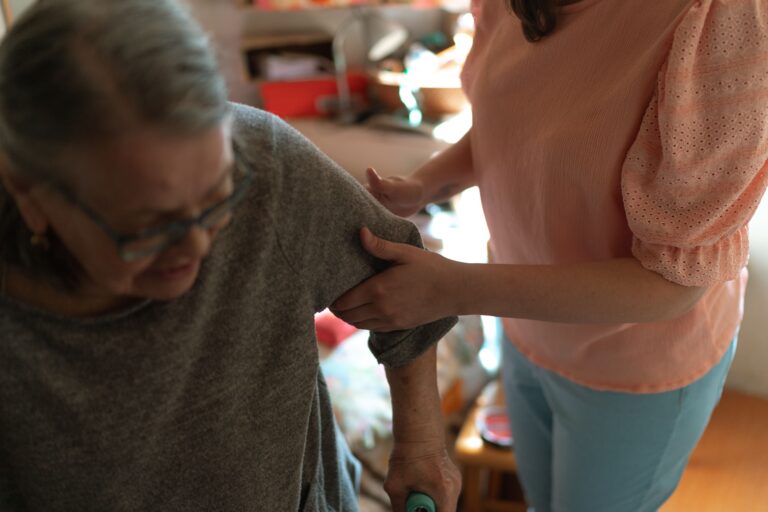
Read the articleSupport for dementia carers can help modestly, but access matters. We examine training, remote programmes, breaks, and when stress needs clinical help.
Read the articleWorkplace burnout needs a look at working conditions as well as coping. We weigh the evidence for change, its limits, and when clinical support matters.
Read the articleSlow breathing may ease self-reported stress for some adults. Here is what the evidence supports, where it is weaker, and how to try it gently.
Read the articleBrief stress tools reduce arousal at the moment; durable gains usually come from repeated habits, a steadier rhythm, and structural changes in workload.
Read the articleUncertainty can keep stress on long after a trigger passes; evidence helps separate what works in practice from what remains uncertain for most people.
Read the articleTracking feared outcomes may make worry less convincing. Evidence is promising but early; a notebook is a CBT aid, not treatment for anxiety.
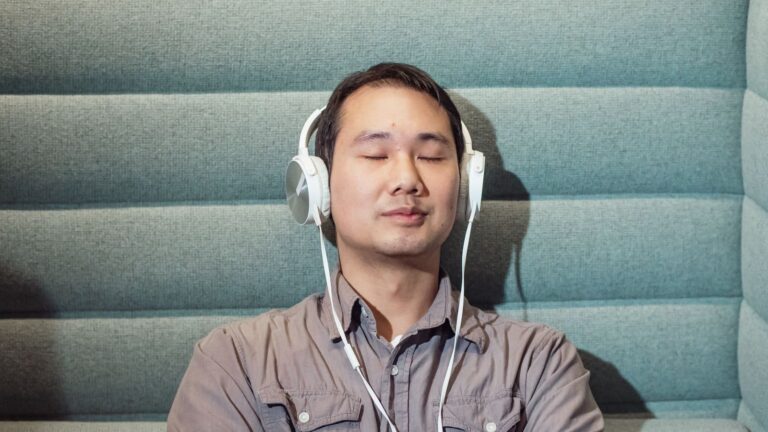
Read the articleMusic may ease stress and anxiety for some people, but the evidence is strongest for short-term relief, not as a stand-alone treatment plan for distress.
Read the articleCognitive defusion can help put stressful thoughts at arm's length. The evidence is promising, but it is a skill, not a stand-alone treatment.
Read the articleScheduled worry can help contain everyday spirals, but the evidence supports it as a small CBT skill, not a stand-alone treatment for anxiety.
Read the articleFind a little clarity