Exercise & Movement
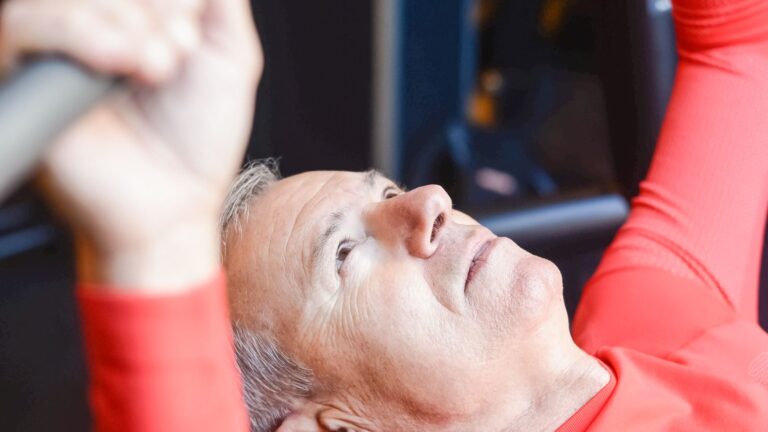
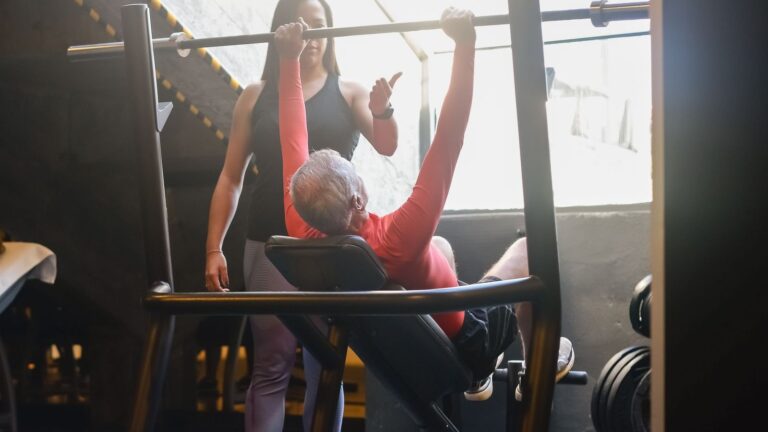
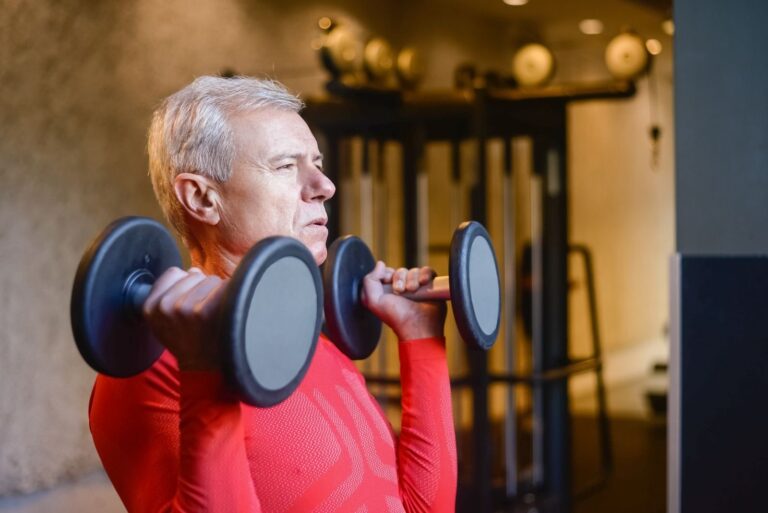
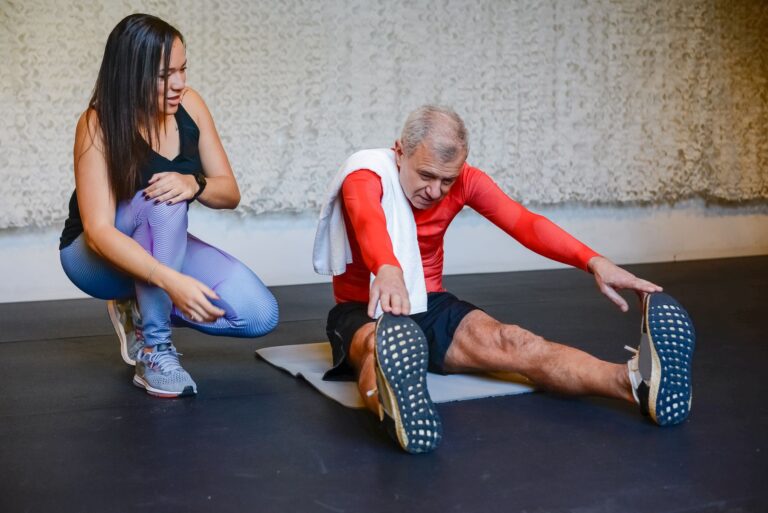
Stretching after 60: what greater flexibility can offer
Stretching can improve joint movement, but the benefits have limits. We examine the evidence after 60, strength training overlap, and when to seek advice.
Read the articleExplore the journal
Training protocols for muscle preservation, cardiovascular health, and functional fitness as you age.
Stretching can improve joint movement, but the benefits have limits. We examine the evidence after 60, strength training overlap, and when to seek advice.
Read the articlePool exercise may support movement after 60, but evidence of superiority over land exercise is mixed. We examine the benefits, limits, and safety checks.
Read the articleExercise can help knee osteoarthritis, but benefits vary. Here is what trials show, how to discuss discomfort, and when symptoms need medical review.
Read the articleJoint-friendly progress beats perfect routines. A short weekly pattern of strength, low-intensity cardio and recovery protects function better than perfection.
Read the articleA three-day routine after 50 can still build strength and stamina: two resistance sessions, one brisk movement day, and explicit recovery rules to keep momentum.
Read the articleOver-50 progress comes from consistent strength, balance and recovery. Train steadily, track outcomes, and pause before adding more overload.
Read the articleControlled lowering in strength training may offer a small extra strength benefit after 60, but steady, safe practice matters more than a special method.
Read the articlePower training can help older adults practise quick, controlled strength for chairs, stairs, and stumbles, but the evidence is modest, not magic.
Read the articleTwice weekly is the public-health floor. For healthy ageing, lifting frequency works best when it spreads hard, recoverable work across real life.
Read the articleStep-count targets can help, but 10,000 is not magic. Evidence points to smaller gains first, then a practical range that changes with age and capacity.
Read the articleFind a little clarity