Exercise & Movement
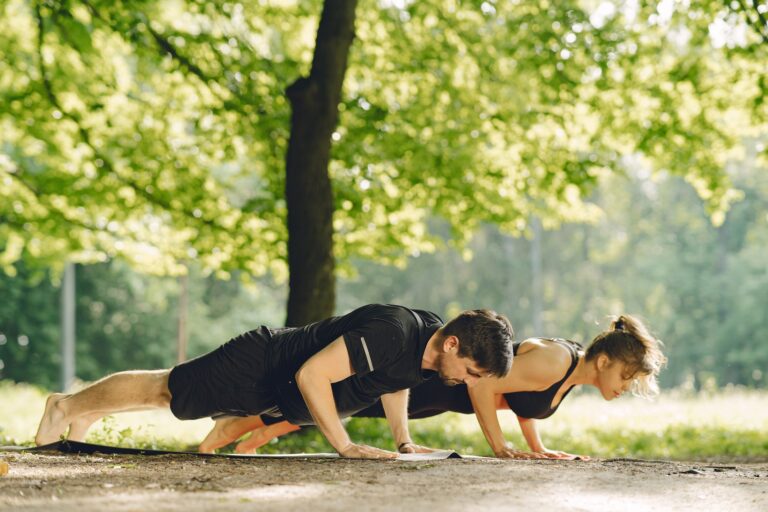
Push-Ups After 50: Useful Strength Test, Not Destiny
Push-ups can reveal useful upper-body strength after 50, but the count is only a clue. Here is how to train them safely and read the evidence well.
Read the articleExplore the journal
Training protocols for muscle preservation, cardiovascular health, and functional fitness as you age.
Push-ups can reveal useful upper-body strength after 50, but the count is only a clue. Here is how to train them safely and read the evidence well.
Read the articleStairs look almost too ordinary to count as training. That is the appeal, and also the trap. The evidence suggests that short bouts of stair climbing can improve…
Read the articleNordic walking can make a familiar walk harder and more useful after 60, but the research supports modest fitness gains, not miracle claims.
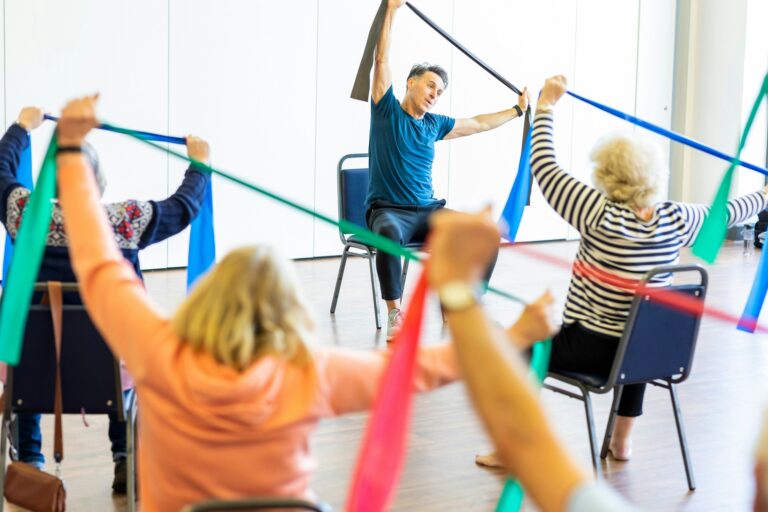
Read the articleTai chi can improve balance and may reduce falls in older adults, but it works best as structured practice, not as a guarantee against injury.
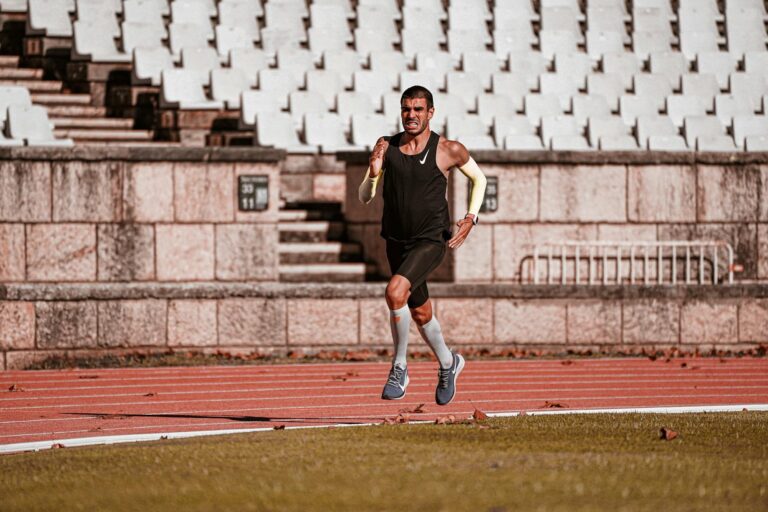
Read the articleHigh-intensity interval training is one of the few exercise ideas that promises speed: a lot more movement, less time, better fitness. The evidence does support a role for…
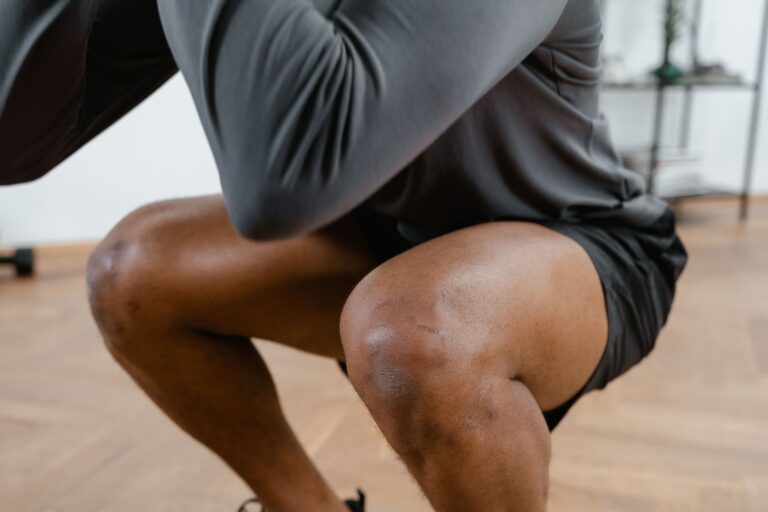
Read the articleIsometric holds such as wall squats lowered blood pressure more than aerobic training in a 2023 meta-analysis — but they complement, not replace, usual care.
Read the articleBrief vigorous bouts spread through the day can improve fitness in inactive adults, but exercise snacks are not a full substitute for proper training.
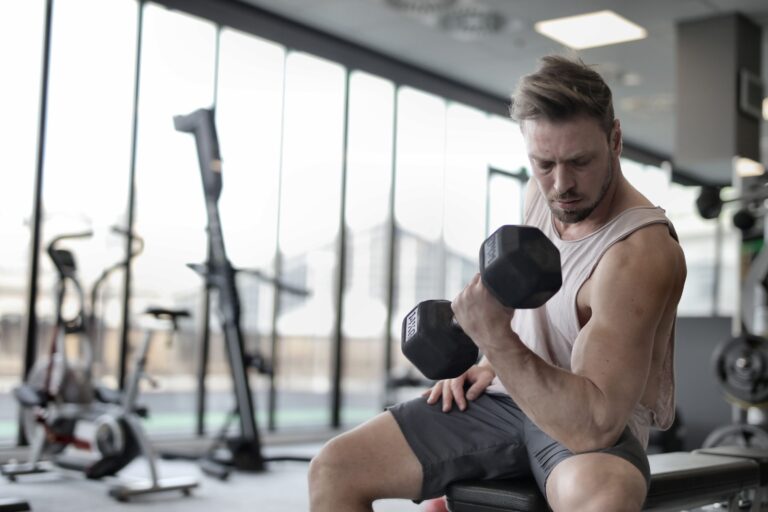
Read the articleStrength training can support healthy ageing, but it is not a proven life-extension treatment or a substitute for medical care. The evidence is measured.
Read the articleWeight-bearing exercise can help maintain bone density after 50, but not every type works equally. Here is what the evidence shows about impact, resistance, and safety.
Read the articleThe chair-stand test can flag changes in leg strength and mobility after 60, but technique, pain, balance, and clinical context shape its meaning.
Read the articleFind a little clarity