Daytime naps become more common with age, and a short nap can be useful when the night has been broken. The problem is interpretation. A nap is not automatically healthy, and it is not automatically a warning sign. The science is clearer for short-term alertness than for long-term ageing outcomes, where long or frequent naps may be a marker of poorer sleep, illness, medicines, or frailty.
Why napping changes with age
Sleep after 60 often becomes lighter, shorter in deep sleep, and more easily fragmented. That does not mean poor sleep is inevitable, but it does change the daytime calculation. If someone wakes several times overnight, gets up earlier than they used to, or has untreated pain, a short daytime sleep may be the body’s way of covering a real sleep gap.
The useful question is not whether napping is good or bad. It is what kind of nap is happening, and what else is changing around it. A planned 20-minute rest after lunch is a different signal from falling asleep repeatedly in the morning, struggling to stay awake during conversations, or needing long naps despite adequate time in bed.
That distinction matters because daytime sleep can sit at the overlap of circadian rhythm, sleep pressure, medication effects, depression, chronic illness, and sleep disorders such as obstructive sleep apnoea. A nap may make the afternoon easier. It should not be used to explain away a major change in alertness.
What short naps can do well
The strongest case for napping is immediate and modest: less sleepiness, better alertness, and sometimes better performance for the next few hours. That is why planned naps are used in shift work, long journeys, and other situations where fatigue creates practical risk. The mechanism is not exotic. A brief sleep reduces some of the pressure that builds during wakefulness.
Sleep organisations tend to keep their advice narrow. The US National Heart, Lung, and Blood Institute says adult naps should generally be no more than 20 minutes, especially if night-time sleep is already difficult. The Mayo Clinic gives similar guidance, suggesting 20 to 30 minutes and early afternoon timing for healthy adults.
That does not mean every longer nap is harmful. It means the evidence and sleep physiology both favour restraint. After about half an hour, a person is more likely to enter deeper sleep. Waking from that stage can produce sleep inertia: the heavy, confused feeling that makes the next task harder rather than easier.
Why long naps are harder to read
Long daytime naps are where the evidence becomes less reassuring, but also less simple. Observational studies often find that longer or more frequent naps are associated with poorer health outcomes. The difficulty is direction. Do naps contribute to risk, or do people nap more because they are already developing health problems?
A 2026 cohort study in JAMA Network Open used actigraphy data from 1,338 community-dwelling older adults, with follow-up of up to 19 years. Longer nap duration, higher nap frequency, and morning napping were associated with higher all-cause mortality. The authors framed nap patterns as potential markers of risk, not as proof that naps themselves caused death.
That distinction is essential. People who need long naps may be sleeping poorly at night, moving less during the day, taking sedating medicines, living with pain, or experiencing early cognitive change. A wearable can measure the nap; it cannot tell you why the nap happened.
Napping and cognition: the evidence is mixed
Cognition is one of the most tempting areas for overclaim. Some studies suggest short or moderate naps may support memory or attention. Others find that excessive daytime sleep is linked with cognitive decline. Both may be true in different groups, but neither gives a simple rule for one person at home.
A 2022 systematic review and meta-analysis in BMC Geriatrics included 25 studies and more than 95,000 adults over 60. Its longitudinal analyses did not find a clear association between napping and global cognition or memory. The authors also noted important limitations, including heterogeneity between studies, reliance on questionnaires, and limited ability to account for depression, chronic disease, or sleep disorders.
In plain English, the cognitive story is not settled. A short nap may help a sleepy person function better that day. It should not be sold as dementia prevention. Equally, an occasional nap should not be treated as evidence of cognitive decline.
Timing matters more than most people think
The early afternoon is the most natural window for many adults. Alertness tends to dip after lunch, and a brief sleep then is less likely to collide with the next night’s sleep. Late-afternoon or evening naps are different. They can reduce sleep pressure close to bedtime, making it harder to fall asleep and encouraging a cycle of poor nights and longer days.
The Sleep Health Foundation recommends 15 to 30 minutes when a person feels sleepy and warns that longer naps can cause sleep inertia or interfere with night-time sleep. It also notes a practical safety point: after a nap, people should give themselves time to become fully alert before driving or doing anything risky.
Morning naps deserve more attention in older adults because they can mean the day has started with a sleep debt. In the 2026 JAMA cohort, morning napping was associated with higher mortality risk compared with early-afternoon napping. That does not make morning sleep dangerous by itself. It makes repeated morning sleepiness worth taking seriously.
When a nap should prompt a health check
The red flag is change. Someone who has always taken a short afternoon nap is not in the same position as someone who suddenly begins sleeping for two hours every morning. New or worsening daytime sleepiness can reflect disturbed night sleep, obstructive sleep apnoea, restless legs, depression, infection, anaemia, thyroid disease, pain, alcohol, or medication effects.
It is especially worth seeking clinical advice if daytime sleepiness arrives with loud snoring, witnessed breathing pauses, morning headaches, confusion, falls, low mood, unintended weight change, chest symptoms, or difficulty staying awake while driving. Those are not problems for sleep hygiene alone.
There is also a medicine question. Sedating antihistamines, some antidepressants, some blood-pressure medicines, opioid painkillers, benzodiazepines, and other drugs can affect alertness. No one should stop prescribed treatment because of an article. But a medication review is a reasonable conversation when daytime sleep changes.
What this means in practice
- Treat a short afternoon nap as a tool for alertness, not as a longevity intervention.
- Keep a simple sleep diary for two weeks if naps are becoming longer, more frequent, or more necessary.
- Notice timing: repeated morning naps or late-day naps tell a different story from an occasional early-afternoon rest.
- Build in a wake-up buffer before driving, cooking, using tools, or making important decisions.
- Ask for medical advice if daytime sleepiness is new, worsening, or paired with snoring, breathing pauses, falls, low mood, or confusion.
- Review alcohol, caffeine timing, pain, and medicines with a clinician rather than assuming the nap itself is the problem.
What we don’t know
Most long-term evidence on napping is observational. Even when naps are measured with wrist devices rather than questionnaires, the study can still show association more easily than cause. People who nap longer may differ from people who nap briefly in health status, mobility, depression, medication use, and night-time sleep quality.
We also do not have one nap rule for every older adult. Shift workers, carers, people recovering from illness, and people with diagnosed sleep disorders may need different advice. Cultural patterns matter too: a planned siesta in a hot climate is not the same behaviour as unplanned morning sleepiness in someone who previously felt alert.
The cautious reading is this: short naps can be useful, but nap patterns are information. When those patterns change, the next step is context, not panic.
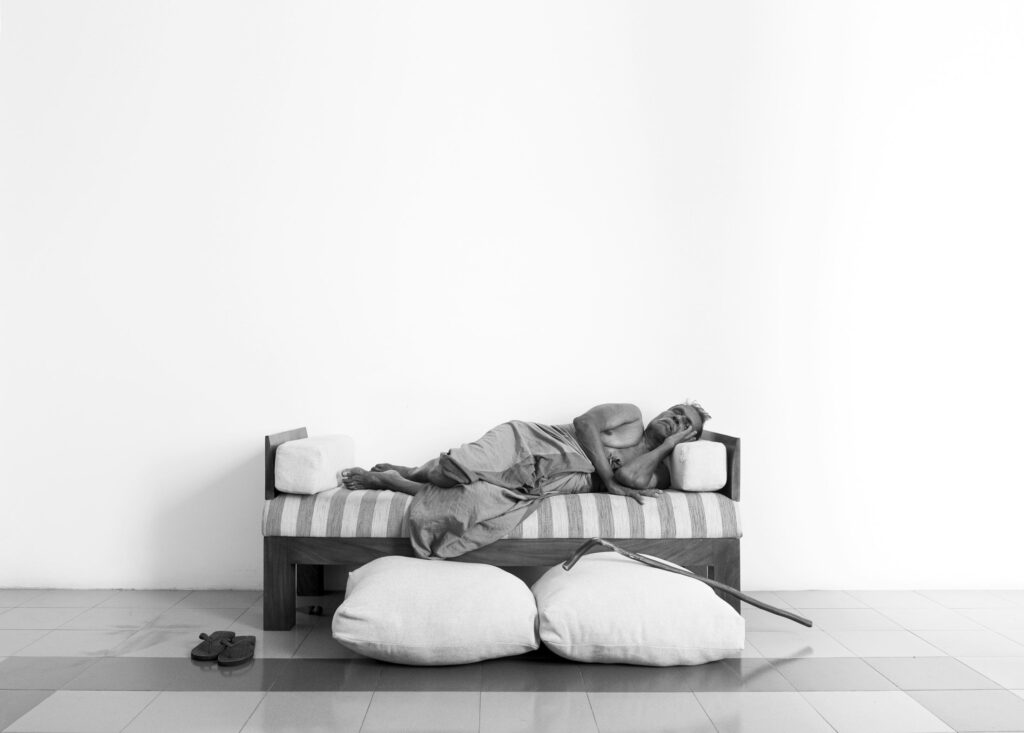
Photo: Sandupama Basnayake on Unsplash.