Potassium has a tidy reputation in nutrition: eat more of it, lower blood pressure, move on. The real picture is less elegant. Potassium does seem to help blood pressure, especially when intake is low and hypertension is already present, but the effect is modest and the safety margin narrows fast once kidney function or certain medicines enter the frame. That is why the best evidence reads less like a hack and more like a cautionary note on a broader dietary pattern, as reflected in the NIH Potassium fact sheet and WHO’s potassium guidance.
What potassium actually does
Potassium is an electrolyte. That sounds clinical, but the job is practical: it helps cells fire electrical signals, supports muscle contraction, and helps regulate fluid balance. It is one reason dietitians talk about fruit, vegetables, legumes, dairy and starchy plants in the same conversation as blood pressure. The point is not a single superfood. The point is a dietary pattern that is less sodium-heavy and more plant-forward.
There is also a useful correction to the way potassium is often discussed online. The relevant question is usually intake from food, not a fashionable pill or a single lab number. For healthy adults, the US National Academies set an adequate intake of 3,400 mg/day for men and 2,600 mg/day for women, while WHO’s public-health benchmark is at least 3,510 mg/day for adults. Those numbers are not identical, but they point in the same direction: most modern diets could use more potassium-rich foods, and that increase usually has to come from meals rather than supplements. NIH’s Potassium fact sheet for health professionals makes the same broad point while noting that the advice does not apply in people with impaired potassium excretion.
What the trials actually show
The strongest potassium signal is in blood pressure, not in the kind of sweeping longevity claims that nutrition headlines love. A 2025 dose-response meta-analysis of 10 randomised controlled trials found that potassium supplementation lowered blood pressure more clearly in people who already had hypertension. In people without hypertension, the effect was small. In those with hypertension, the average reduction was larger, around 5.3 mmHg systolic and 3.6 mmHg diastolic for a 50 mmol/day increase in urinary potassium excretion. The PubMed abstract for the 2025 meta-analysis is worth reading because it also states the limitation plainly: the trial pool was small.
That limitation matters. These are not long-term outcome trials showing fewer heart attacks or more years lived. They are short-to-medium-term blood-pressure studies. The evidence therefore supports a cautious statement, not a dramatic one. Potassium appears to nudge blood pressure in the right direction, especially when blood pressure is already high, but the size of the effect is not so large that it overrides the rest of a person’s diet, medicines, sleep, weight, alcohol intake, or kidney function.
Food is doing most of the work
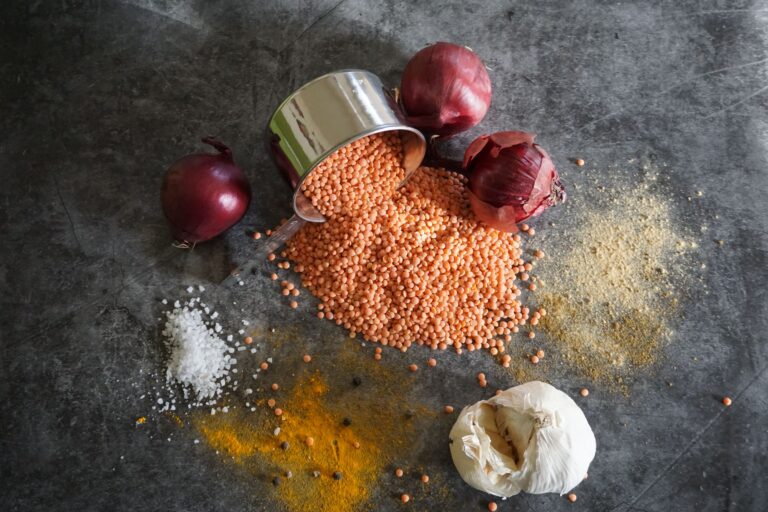
For most people, the useful potassium question is really a food question. The NIH fact sheet lists potatoes, lentils, beans, dried apricots, raisins, yoghurt, spinach, fish and milk among the better sources, and notes that the body absorbs most dietary potassium. That is useful because the supplement aisle gives a false impression of scale. In the US, most potassium supplements provide no more than 99 mg per serving, which is a tiny fraction of the daily intake people are talking about when they claim to be “fixing” potassium status.
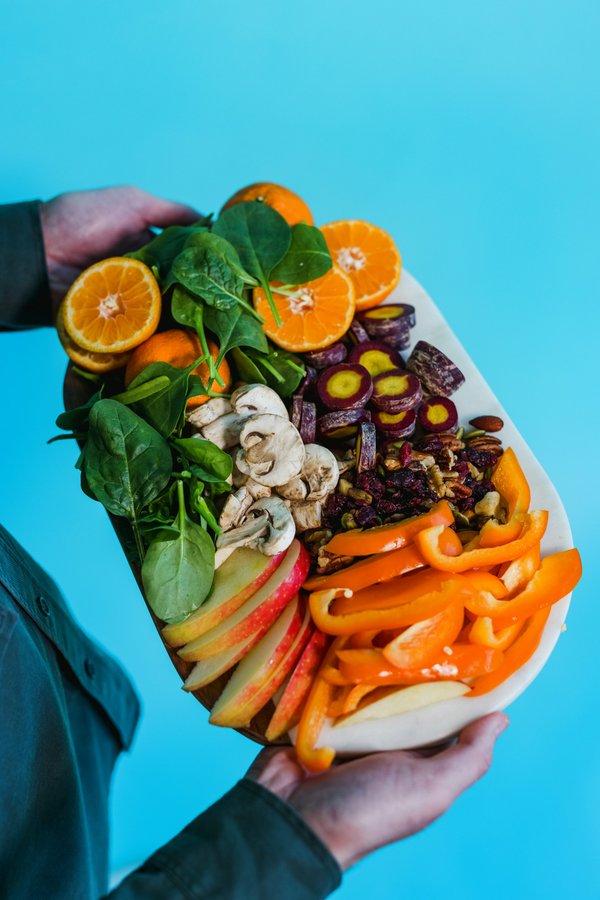
There is also a social-media cliché to undo here. Bananas are fine, but they are not the whole story, and often not the best story. A baked potato, lentils, beans, yoghurt, leafy greens or dried fruit can contribute just as usefully, sometimes more so, depending on the portion. That is why a potassium conversation should usually be a whole-diet conversation. If someone is trying to raise potassium intake, it is rarely about adding one heroic ingredient. It is about replacing a more processed, sodium-heavy pattern with one that includes more produce, legumes, dairy or dairy alternatives, and less packaged food.
That is also why food brings a benefit supplements cannot easily copy. Potassium-rich foods tend to arrive with fibre, magnesium and other nutrients that are useful in their own right. A tablet does not bring that package. Even if a pill could match the mineral content, it would still miss the dietary context that does much of the heavy lifting.
Why sodium keeps coming back
Potassium is often sold as if it acts alone. In practice, it is usually part of a sodium balance problem. The American Heart Association notes that potassium-rich foods can reduce sodium’s effect on blood pressure, and that potassium-based salt substitutes may help some adults lower sodium intake. That is a reasonable, evidence-based framing. It is also narrower than the internet version, which sometimes turns potassium into a cure-all for a salty diet.
The more honest interpretation is that a better potassium-to-sodium balance tends to appear inside a broader dietary pattern: fewer heavily processed foods, more home-cooked meals, more vegetables, more legumes, and less reliance on salt as the default flavouring. The AHA guidance is careful on this point. It does not say that potassium erases sodium. It says the mineral can help offset some of sodium’s effect, which is a much more defensible claim. The AHA potassium guidance also flags the main caution: people with kidney disease or medicines that affect potassium handling should not treat salt substitutes as harmless.
When more becomes too much
This is the section that belongs in every potassium article and is often missing from the more promotional ones. More potassium is not automatically better. The NIH fact sheet is explicit that its adequate-intake figures do not apply to people with impaired potassium excretion, including kidney disease, or to people taking medicines that interfere with potassium handling. The NHS says people with kidney disease may be advised to limit potassium in the diet. The AHA adds that potassium can be harmful in kidney disease, in any condition that affects potassium handling, or with certain medicines. Put simply: if the kidneys are not clearing potassium normally, a food or supplement strategy that looks benign on paper can become unsafe.
That is also why potassium salt substitutes deserve caution, not enthusiasm. They can reduce sodium, but they can also add potassium fast. For people with normal kidney function that may be fine in context. For people with chronic kidney disease, diabetes with kidney involvement, or medicines that raise potassium, it can be a bad trade. This is not an argument against fruit and vegetables. It is an argument against casual self-experimentation with concentrated potassium products. The NIH fact sheet, the NHS kidney disease prevention page and the AHA guidance all point in the same direction.
What we don’t know
The remaining uncertainty is not trivial. We still lack large, long-term randomised trials showing that deliberately pushing potassium intake changes hard outcomes such as stroke, heart attack or mortality in a way that can be separated cleanly from the rest of the diet. The 2025 meta-analysis improves the dose-response picture, but it also shows how small the potassium trial base still is. That means the evidence is stronger than a wellness claim and weaker than a settled pharmacology story.
We also do not know the single best intake target for every adult, because the answer depends on kidney function, sodium intake, blood pressure status, medications and the rest of the diet. In that sense, potassium is a useful reminder of how nutrition actually works. Nutrients rarely act like standalone interventions. They act inside context, which is why the right advice is usually conditional rather than absolute.
What this means in practice
- If your diet is low in fruit, vegetables, legumes, yoghurt and potatoes, the potassium conversation is really a whole-diet conversation.
- If you have hypertension and normal kidney function, potassium-rich foods may belong alongside sodium reduction, sleep, weight management and medication review, not instead of them.
- If you are using salt substitutes, read the label carefully. Potassium-based versions are not benign for everyone.
- If you have kidney disease, diabetes with kidney involvement, or take medicines that affect potassium, do not add potassium supplements or salt substitutes casually.
- If you want a simple food starting point, look to lentils, beans, potatoes, spinach, yoghurt and other minimally processed foods before you look to pills.
- If you are already eating well, do not assume that more potassium automatically means more benefit. The dose-response curve is real, but it is not a licence for extremes.
Potassium is worth attention because blood pressure pays attention to it. That is enough reason to care, and enough reason to stay cautious. In nutrition, the details usually sit where the cautions sit.