Ashwagandha is often sold as a stress supplement with a simple promise: calmer days, better sleep, perhaps even healthier hormones. The evidence is more cautious than the marketing. Some extracts have performed better than placebo in short trials, especially for sleep and perceived stress. But the product on the shelf is not the same thing as the compound in a trial, and the safety caveats deserve equal billing.
What ashwagandha is, and what it is not
Ashwagandha, or Withania somnifera, is a plant used in Ayurvedic medicine. Modern supplements usually contain root extract, leaf extract, or a root-and-leaf extract, sometimes standardised to withanolides, a group of bioactive compounds. That detail matters. A trial using a named, standardised root extract does not automatically validate every capsule, gummy, powder, or multi-ingredient product that lists ashwagandha on the label.
The US National Center for Complementary and Integrative Health says ashwagandha supplements are commonly promoted for stress, anxiety, sleep, male infertility, and athletic performance, but it also notes that many studies have been small and have used different preparations. Its summary is measured: some preparations may help insomnia and stress, evidence for anxiety is less clear, and there is not enough evidence for many other claimed uses such as cognition, diabetes, menopause, or COVID-19. That is a useful distinction. The plant is interesting. The marketing is much broader than the evidence.
For a supplement, that gap is familiar. Medicines are evaluated as specific products, at specific doses, in specific populations. Supplements are often discussed as if the ingredient name alone is enough. It is not. A 600 mg daily dose of one root extract for eight weeks is a different exposure from an unverified powder, a proprietary blend, or a capsule combined with sedatives, stimulants, or piperine.
The stress evidence is plausible, not settled
The best case for ashwagandha is stress reduction, but even here the evidence needs careful wording. A 2025 systematic review and meta-analysis of randomised controlled trials reported reductions in perceived stress and cortisol compared with placebo, with the clearest signal around eight weeks of treatment. That sounds promising, but the review also sits in a literature with small trials, varied extracts, different doses, and outcomes that are partly subjective.
That does not make the findings useless. It means they are not a licence to treat ashwagandha as a general anxiety medicine. Stress scores can improve for reasons that do not translate into durable clinical benefit. Cortisol can move without proving that a person is healthier, safer, or more resilient. And most trials have not been designed to answer the question many buyers actually have: what happens when someone takes a commercial supplement for months or years, alongside medicines, alcohol, liver risk, thyroid disease, or other health conditions?
The NIH Office of Dietary Supplements reaches a similar practical conclusion in its health-professional fact sheet: ashwagandha extracts may reduce anxiety and stress and improve sleep, but the studies use different preparations and doses, making it difficult to identify a specific extract or recommended amount. That is the right posture. Evidence can be positive without being prescriptive.
Sleep findings are modest and extract-specific
Sleep is the second area where ashwagandha has a reasonable evidence signal. A 2021 systematic review and meta-analysis on ashwagandha extract and sleep included five randomised controlled trials with 372 adults. The studies generally lasted six to twelve weeks and used root extracts or root-and-leaf extracts, with doses ranging from 120 mg to 600 mg per day. The authors found a small but statistically significant improvement in sleep compared with placebo, with larger effects in people with insomnia and with longer treatment duration.
That is not the same as saying ashwagandha is a sedative. It is also not evidence that it treats sleep apnoea, restless legs, depression, chronic pain, shift-work disorder, or the common middle-aged pattern of waking at 3 a.m. and scrolling through worries. Sleep problems are causes, consequences, and warning signals all at once. A supplement trial cannot sort those out for an individual reader.
The form and dose also matter. A study using 600 mg per day of a standardised root extract does not tell us what is in a low-cost capsule with unclear extract ratio, no independent testing, and a label that hides the amount inside a blend. This is where supplement quality becomes part of the evidence, not a side issue.
Safety is the part the label may underplay
The safety section is not a footnote. NCCIH states that ashwagandha may be safe short term, up to about three months, but that there is not enough information to draw conclusions about long-term safety. Common side effects include drowsiness, stomach upset, diarrhoea, and vomiting. More importantly, NCCIH notes reported links to liver injury, cautions against use in pregnancy and breastfeeding, and says it is not recommended for people about to have surgery or for those with autoimmune or thyroid disorders.
Medication interactions deserve the same visibility. NCCIH lists possible interactions with diabetes and blood-pressure medicines, immunosuppressants, sedatives, anti-seizure medicines, and thyroid hormone medicines. It also advises that people with hormone-sensitive prostate cancer avoid ashwagandha because it may increase testosterone levels. These are not fringe caveats. They are exactly the groups in which casual supplement use can become clinically relevant.
The safest editorial statement is therefore narrow: ashwagandha has some short-term evidence for certain stress and sleep outcomes in adults, using specific extracts. It should not be treated as a harmless wellness powder, a substitute for care, or a background supplement that does not need to be disclosed to a clinician.
Liver injury reports are rare, but serious enough to mention
Liver risk is the main reason ashwagandha deserves more caution than many supplement round-ups give it. LiverTox, the NIH-backed clinical resource on drug-induced liver injury, lists ashwagandha as a likely cause of clinically apparent liver injury. It describes typical cases as appearing two to twelve weeks after starting a product, often with jaundice and itching, usually with a cholestatic or mixed liver-injury pattern. Many cases resolve after stopping the product, but the recovery can be prolonged.
A case series from Iceland and the US Drug-Induced Liver Injury Network described five adults, aged 21 to 62, who developed liver injury after using ashwagandha-containing supplements. Their symptoms included jaundice, and the pattern was often mixed or cholestatic. The cases resolved, but sometimes over several months. Later reports have raised additional concern in people with pre-existing liver disease.
This does not prove that every ashwagandha product injures the liver. It does show why the phrase “natural supplement” is not a safety category. Commercial products may vary in plant part, extract strength, withanolide content, contaminants, undisclosed ingredients, and combinations with other herbs. In liver-injury investigations, that uncertainty is part of the problem. If symptoms such as jaundice, dark urine, pale stools, severe itching, unexplained nausea, or unusual fatigue appear after starting a supplement, the medically cautious move is to stop the product and seek clinical advice rather than adding another supplement to the mix.
The product on the shelf is the weak link
Theo Marsh’s rule for supplements is simple: separate the molecule from the market. A compound can be biologically plausible, and a specific extract can show a signal in a trial, whilst the average shop-bought product remains variable. Ashwagandha is a clear example.
The studies often report standardised extracts, defined doses, and short durations. The retail market offers powders, capsules, gummies, tinctures, multi-ingredient “calm” blends, testosterone products, sleep products, and energy products. Some labels specify root extract and withanolide percentage. Others do not. Some products are independently tested for identity and contaminants. Many are not. The consumer is expected to bridge the gap between clinical-trial precision and retail uncertainty.
That gap is not just academic. Higher doses may not mean better outcomes. Combining ashwagandha with sedatives, alcohol, thyroid medicines, blood-pressure treatment, or other liver-relevant supplements changes the risk profile. A person taking several products may not know which ingredient caused a side effect. Clinicians may not ask unless the patient volunteers the list. This is how a supplement becomes invisible in the medical record until something goes wrong.
What this means in practice
- Treat ashwagandha as an active supplement, not a background wellness food. Its effects on sleep, stress, thyroid markers, medicines, and liver safety are clinically relevant for some people.
- Be cautious about broad claims. Evidence is strongest for short-term studies of specific extracts, not for long-term daily use, anti-ageing, testosterone optimisation, cognition, or disease treatment.
- People who are pregnant, breastfeeding, preparing for surgery, living with liver disease, thyroid disease, autoimmune disease, or hormone-sensitive prostate cancer should not treat ashwagandha as low risk.
- Anyone taking diabetes, blood-pressure, sedative, anticonvulsant, immunosuppressant, or thyroid medicines should discuss supplement use with a qualified clinician or pharmacist.
- If a product is used at all, the label should identify the plant part, extract type, dose, and independent quality testing. Vague blends are harder to evaluate.
- New jaundice, dark urine, pale stools, severe itching, persistent nausea, or unusual fatigue after starting ashwagandha should prompt stopping the supplement and seeking medical advice.
What we don’t know
We do not know whether ashwagandha is safe as a long-term daily supplement for healthy adults. Most human trials are short, often under three months, and they do not capture uncommon adverse events well. We also do not know whether benefits persist after stopping, whether tolerance develops, or whether specific extracts are meaningfully safer than others.
We do not have enough evidence to recommend it for anxiety disorders, depression, cognitive enhancement, menopause, diabetes, athletic performance, testosterone optimisation, or longevity. Those claims may be biologically interesting, but they are not settled clinical uses. There is also limited evidence on older adults with multiple medicines, people with chronic liver disease, pregnant or breastfeeding women, and people with endocrine or autoimmune conditions. Those are precisely the groups where caution matters most.
The practical conclusion is not that ashwagandha is useless. It is that the evidence is narrower than the marketing, and the safety questions are real. A supplement can be plausible and still be a poor fit for a particular person. With ashwagandha, the responsible position is to treat the compound with interest, the product label with scepticism, and the contraindications with respect.
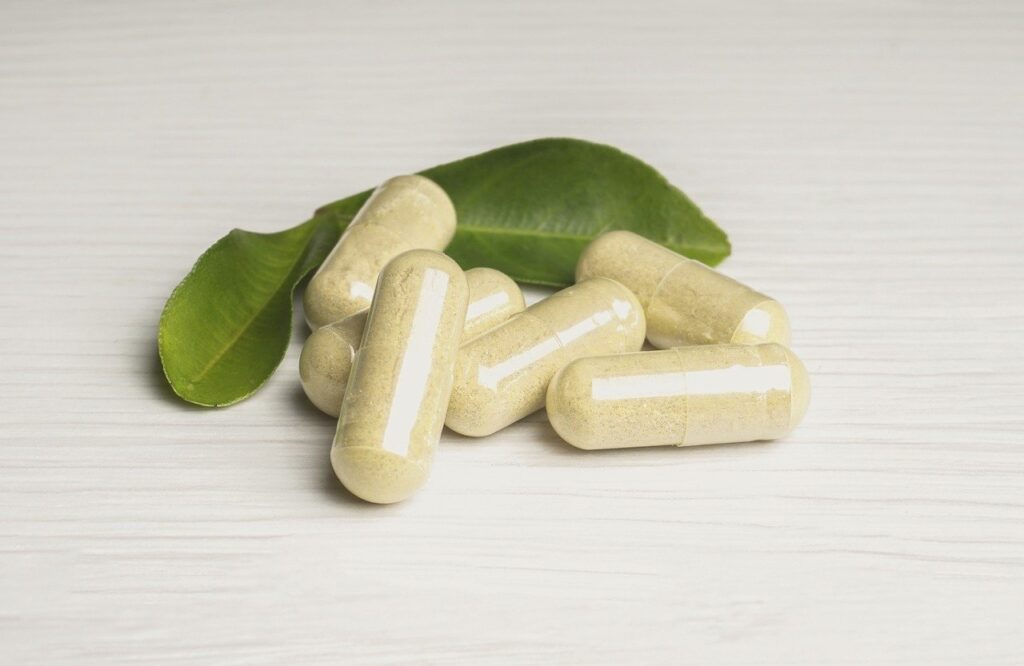
Photo: JaksaPhoto on Pixabay.