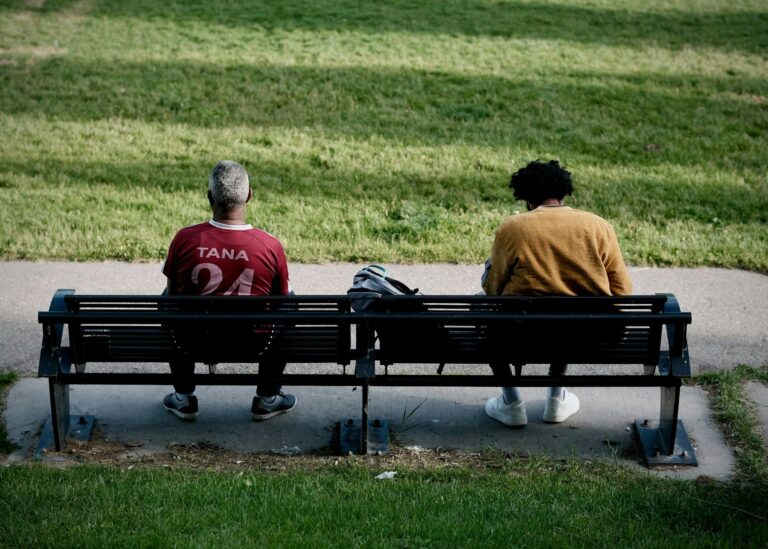
Gratitude Practice for Stress: Helpful Habit, Not a Cure
Gratitude practice can modestly ease stress for some adults, but it is not therapy or toxic positivity. Here is what the evidence supports — and where it stops.
Read the articleExplore the journal
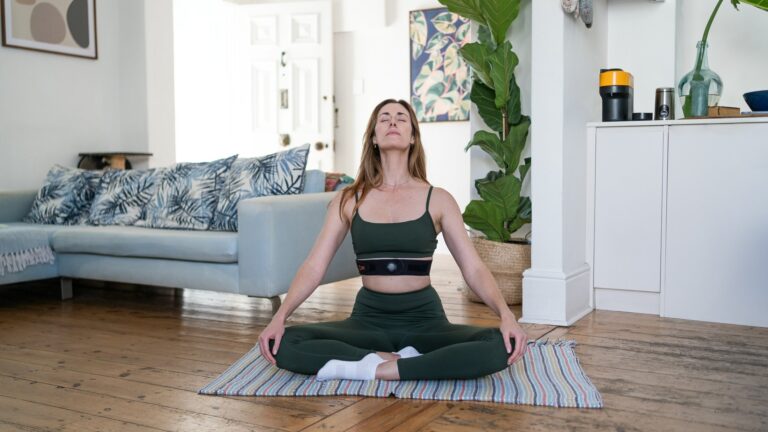
Gratitude practice can modestly ease stress for some adults, but it is not therapy or toxic positivity. Here is what the evidence supports — and where it stops.
Read the articleAt 8.47 on a Tuesday evening, the mat can look less like a wellness object than a small negotiation with the day. The email has been sent, the…
Read the articleSlow breathing can ease stress quickly but modestly; it is a useful daily tool for nervous-system regulation, not a replacement for treatment.
Read the articleSelf-compassion can soften stress and self-criticism, but the evidence supports it as a practical skill rather than a stand-alone treatment.
Read the articleWhen stress narrows the world, attention tends to fold inward. The inbox, the symptom, the replayed conversation: each becomes larger because the mind has little room for anything…
Read the articleSocial support can soften stress responses, but it is not a treatment. Here is what connection can and cannot do for everyday strain and recovery.
Read the articleThe first few sentences often feel embarrassing. A page is too blank, a worry too ordinary, a sentence too dramatic once it is written down. Yet that awkward…
Read the articleCognitive reappraisal can help some people work with stressful thoughts, but it is a skill, not treatment for anxiety, trauma, or crisis when support is needed.
Read the articleProgressive muscle relaxation may ease stress for some adults, but evidence is mixed and it should not replace care for anxiety, pain, or trauma symptoms.
Read the articleAllostatic load can frame how chronic stress affects the body, but it is a research construct, not a personal score or diagnosis. Context matters.
Read the articleFind a little clarity