Red yeast rice sits in an awkward category: sold as a supplement, but useful only when it behaves like a statin drug. That is not automatically a reason to avoid it. It is a reason to ask the same questions we would ask of a medicine: what is the active compound, how much is present, what are the risks, and who is checking the product?
What red yeast rice actually is
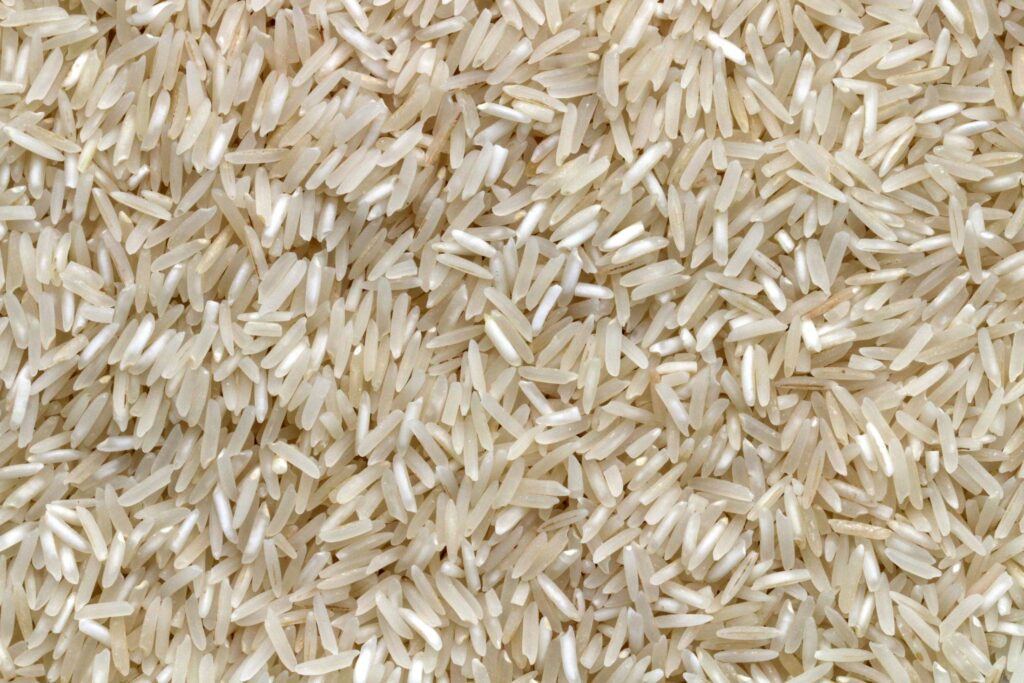
Red yeast rice is rice fermented with Monascus purpureus, a fungus that gives the grain its red colour and can produce a family of compounds called monacolins. The important one is monacolin K. Chemically, monacolin K is the same compound as lovastatin, a prescription cholesterol-lowering drug. That is the reason red yeast rice can lower LDL cholesterol in some trials. It is also the reason the safety conversation cannot be treated as harmless-food territory.
The National Center for Complementary and Integrative Health explains the regulatory problem plainly: some commercial products contain little or no detectable monacolin K, while others contain amounts large enough to act pharmacologically. Labels usually do not tell consumers the monacolin K dose. In other words, the compound is solid enough to matter, but the product on the shelf may not be.
The LDL signal is real, but not mysterious
The evidence for LDL lowering is more plausible than for many supplements because the mechanism is already familiar. Statins lower LDL partly by inhibiting HMG-CoA reductase, a liver enzyme involved in cholesterol production. Monacolin K acts in the same direction because it is lovastatin. That makes red yeast rice different from a plant extract with a speculative pathway and a handful of soft endpoints.
A 2022 systematic review and meta-analysis in Frontiers in Pharmacology reported improvements in lipid, glucose, and blood-pressure markers in people with metabolic syndrome, with some trial evidence on major cardiovascular events. That sounds impressive, but the practical interpretation is narrower. Many included trials used defined preparations, often in settings that do not resemble a random bottle bought online. A product can perform in a trial and still fail as a consumer purchase if the active dose is unknown.
The label is the weak part
The label problem is not cosmetic. If a product contains too little monacolin K, it may do very little for LDL. If it contains a pharmacological amount, it may carry statin-like risk without the prescribing framework, monitoring, or dose clarity that normally comes with a statin. That is the uncomfortable middle ground red yeast rice occupies.
For a clinician, that uncertainty also makes response hard to interpret. If LDL falls, the product may simply have delivered lovastatin at a meaningful dose; if LDL does not move, the user has not necessarily disproved red yeast rice, only that the bottle did not deliver enough active compound or was not taken long enough. That is why the NCCIH labelling point is more than a consumer-right-to-know issue. Without dose transparency, neither benefit nor side-effect risk can be judged cleanly.
A 2017 analysis in the European Journal of Preventive Cardiology tested 28 red yeast rice brands sold through mainstream retailers in the United States. None listed monacolin K quantity on the label, and the measured amount varied widely between products. The issue was not that one brand was slightly stronger than another. It was that consumers could not infer the dose from the front of the bottle.
That matters because dose is not a decorative detail. It is the difference between an inert fermented-rice capsule, a cholesterol-lowering drug exposure, and a product whose risk-benefit profile cannot be guessed from marketing copy.
Side effects look like the drug side effects
Because monacolin K is lovastatin, the adverse-effect discussion should start there. The Mayo Clinic’s red yeast rice monograph notes that products containing monacolin K can have similar serious side effects to prescription statins, including liver, muscle, and kidney issues. It also lists interactions with alcohol, cyclosporine, CYP3A4 inhibitors, grapefruit, gemfibrozil, hepatotoxic medicines or supplements, niacin, St John’s wort, and statins.
That does not mean every person who takes red yeast rice will have side effects. Most people who take prescription statins do not experience severe reactions either. The point is proportionality. A compound that can meaningfully change LDL biology deserves medicine-level respect, especially in people already taking lipid-lowering therapy or medicines metabolised through similar pathways.
Citrinin is the other product problem
There is a second issue separate from monacolin K: contamination. Citrinin is a mycotoxin that can be produced during some fermentations and is concerning because of kidney toxicity. It is not part of the desired cholesterol-lowering effect. It is a quality-control failure.
In a 2021 Frontiers in Nutrition analysis of 37 red yeast rice food supplements, citrinin was found in all monitored products, and only one product met the stricter European limit introduced in 2020. Several products labelled as citrinin-free were contaminated. The same study found that monacolin K content often did not match label claims. That combination is precisely why red yeast rice is a product-quality story, not just an ingredient story.
Who should be especially cautious
People who are pregnant, trying to become pregnant, or breastfeeding should avoid red yeast rice; both NCCIH and Mayo Clinic advise against use in these groups. People with liver disease, kidney disease, prior statin intolerance, unexplained muscle pain, or complex medication lists should not treat it as a casual experiment. The same applies to anyone already taking a statin or another cholesterol medicine.
There is also a broader clinical point. If LDL cholesterol is high enough to worry about, it is high enough to discuss with a clinician. Red yeast rice may appeal to people who want a non-prescription route, but the active ingredient blurs that distinction. In practical terms, an unlabelled lovastatin exposure is not simpler than a prescribed statin. It is less legible.
What this means in practice
- Do not combine red yeast rice with a statin or other lipid-lowering medicine unless a clinician has explicitly reviewed the combination.
- Ask whether the product gives a tested monacolin K amount and third-party contaminant testing; if it does not, treat the dose as unknown.
- Avoid products making drug-like LDL promises while hiding the active-compound dose.
- If you use it under medical guidance, track LDL response and relevant safety markers rather than judging by how the product feels.
- Stop and seek medical advice for unexplained muscle pain, weakness, dark urine, jaundice, or persistent digestive symptoms.
- Prioritise established LDL-lowering steps first: diet quality, soluble fibre, weight management where relevant, exercise, and prescribed therapy when indicated.
What we don’t know
The biggest uncertainty is not whether monacolin K can lower LDL. It can. The uncertainty is whether a given retail red yeast rice supplement contains the right dose, the wrong dose, no meaningful dose, or contaminants that change the risk calculation. Trials of defined preparations cannot fully solve that consumer-market problem.
Another unknown is whether stricter contaminant testing and clearer monacolin disclosure would make red yeast rice a more rational clinical option, or just reveal that it belongs in the drug category. The 2021 product analysis suggests quality systems matter, but it cannot tell readers which current product is clean, consistent, and appropriately dosed.
We also do not have enough high-quality evidence to treat red yeast rice as a direct substitute for prescribed statins in people at elevated cardiovascular risk. Statins have decades of outcome data, predictable dosing, regulated manufacturing, and clinician monitoring. Red yeast rice has a biologically credible active compound, but the supplement category strips away much of the control that makes a drug usable.
The fairest summary is conservative: red yeast rice is not nonsense, and it is not benign. If it works, it works because it behaves like a drug. That means the question is not whether it is natural. The question is whether the product is controlled well enough to justify taking it.
Photo: Pierre Bamin on Unsplash.