Zone 2 cardio has acquired a grand reputation for a simple kind of exercise: steady aerobic work that feels controlled, repeatable, and almost too easy to count. The case for it is not that it unlocks a secret longevity pathway. It is that moderate training is tolerable enough to do often, and frequent aerobic work is strongly tied to better cardiometabolic health.
What Zone 2 actually means
In endurance circles, Zone 2 usually means the upper end of easy aerobic work: harder than a stroll, easier than a threshold session. In a laboratory, it can be estimated from lactate or ventilatory thresholds. In normal life, most people approximate it with breathing, conversation, or heart rate.
The useful translation is this: you should be working, but not fighting the session. The Mayo Clinic guidance on exercise intensity describes moderate exercise as effort where breathing quickens, sweating may start after several minutes, and talking remains possible even if singing does not. That is not a perfect definition of Zone 2, but it is a reasonable guardrail for readers who do not have access to physiology testing.
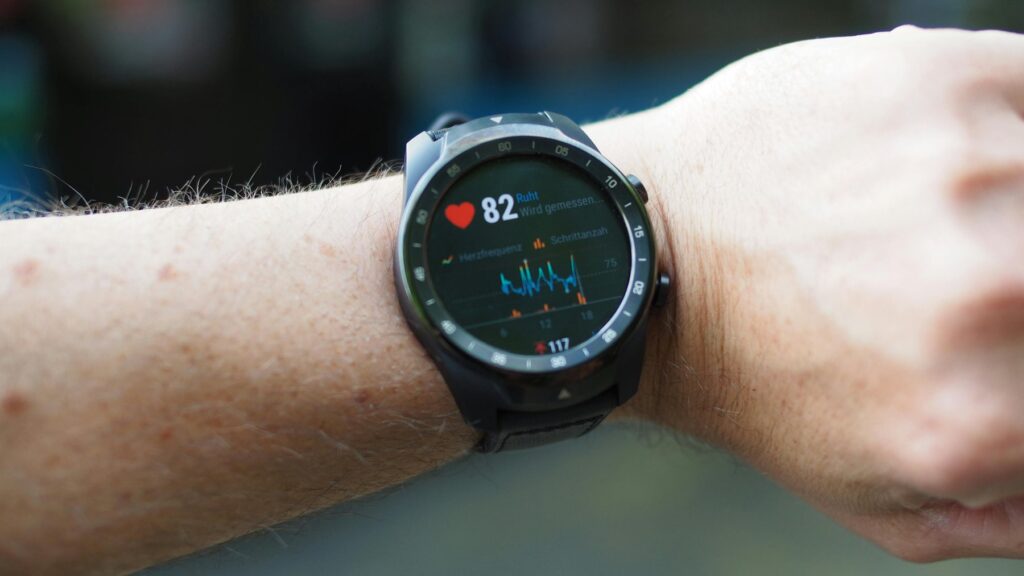
Heart-rate formulas can help, especially for people who like numbers. They can also mislead. Maximum heart rate estimates vary widely, wrist sensors can lag, and medicines such as beta blockers can change the heart-rate response. The point is not to hit a sacred number. The point is to find an intensity you can repeat without needing days to recover.
Why easy aerobic work gets overlooked
Hard workouts are easier to market. They produce sweat, graphs, and the sense that something dramatic happened. Zone 2 is quieter. A good session often ends with the mild suspicion that you could have done more.
That restraint is the feature. Most adults are not limited by an inability to suffer through one hard workout. They are limited by the ability to accumulate enough training across months without injury, fatigue, or schedule collapse. The current CDC adult activity guidance, based on the Physical Activity Guidelines for Americans, points adults towards at least 150 minutes of moderate-intensity physical activity each week, plus muscle-strengthening work on two days. Zone 2 fits neatly into that moderate-intensity bucket.
This is also why Zone 2 pairs well with strength training. It is demanding enough to improve aerobic capacity over time, but usually light enough that it does not wreck the next lifting session. For adults over 40, that matters. The goal is not to win the Tuesday workout. It is to keep enough movement in the week that the body has a reason to adapt.
The metabolic case is plausible, not magical
The metabolic argument for Zone 2 starts in skeletal muscle. During aerobic training, working muscle uses glucose and fat to make energy. Over time, repeated training can improve the machinery that handles those fuels, including mitochondrial function and glucose uptake. That is the credible version of the claim.
The less credible version says Zone 2 is uniquely superior for fat burning or longevity. The evidence does not need that exaggeration. A 2025 systematic review and meta-analysis in Frontiers in Physiology looked at exercise training and skeletal-muscle mitochondrial outcomes in people with type 2 diabetes. It found improvements in several mitochondrial-function markers, with effective approaches including long-term moderate aerobic training, short-term high-intensity interval training, and longer resistance or combined programmes. In other words, moderate aerobic work has a place, but it is not the only useful tool.
For blood sugar, the mechanism is also more practical than mystical. The American Diabetes Association explains that muscle contractions can help cells take up glucose, and that physical activity can increase insulin sensitivity during and after exercise. That does not make Zone 2 a treatment plan. It does explain why regular aerobic activity often shows up in advice for people trying to improve glucose control, insulin sensitivity, or metabolic risk.
How to find your working intensity
The simplest field test is the talk test. During a Zone 2-style session, you should be able to speak in short sentences. If you can sing comfortably, the effort may be too light. If you can only answer in clipped words, you have probably drifted into a harder zone.
Heart rate can refine the picture. Many people land somewhere around 60 to 75 percent of maximum heart rate, but the range is individual. A better marker is whether the pace remains stable. If a 45-minute bike ride begins comfortably and ends with the same speed requiring much more effort, the session may have been too hard for the intended purpose.
Perceived exertion is underrated here. On a 1-to-10 scale, Zone 2 often sits around 3 or 4: work you notice, but do not dread. If you are new to exercise, recovering from illness, pregnant, taking heart or blood-pressure medicines, or managing diabetes or heart disease, the right intensity should be discussed with a clinician rather than guessed from a watch.
What a week might look like
For someone already cleared to exercise, the first target is consistency rather than volume. Two or three sessions of 20 to 40 minutes can be enough to establish the habit. Walking uphill, cycling, rowing, swimming, elliptical work, and easy running can all qualify if the intensity is controlled.
Progression should be dull. Add time before adding speed. If 25 minutes feels repeatable for two weeks, move to 30. If three sessions fit easily, add a fourth before turning every ride into a test. The Mayo Clinic also advises gradual progression and warns that doing too much too quickly can raise the risk of soreness, injury, and burnout.
There is room for harder work, but it should have a job. A weekly interval session can improve cardiovascular fitness for people who tolerate it, and strength training remains important for muscle and bone. Zone 2 is not a complete fitness plan. It is the aerobic base that makes the rest of the plan easier to sustain.
Risks and contraindications
Moderate aerobic work is appropriate for many people, but it is not risk-free for everyone. Chest pain, unusual shortness of breath, faintness, palpitations, or pain that changes gait are reasons to stop and seek medical advice. People with known cardiovascular disease, poorly controlled blood pressure, recent surgery, pregnancy complications, or unexplained symptoms should get individual guidance before increasing training.
Diabetes deserves a specific caution. Exercise can lower blood glucose during and after activity, and the ADA notes that people taking insulin or insulin secretagogues are at higher risk of hypoglycaemia if food or medication timing is not adjusted. That is not a reason to avoid movement. It is a reason to plan it with the diabetes care team.
What this means in practice
- Use the talk test first: conversational, but not singable, is a useful starting point.
- Begin with two or three repeatable sessions each week before chasing longer totals.
- Keep hard days hard and easy days easy; Zone 2 loses its value when every session turns into a race.
- Pair aerobic work with at least two weekly strength sessions where possible.
- If you use glucose-lowering medication, monitor blood glucose as advised and discuss exercise timing with your care team.
What we don’t know
Zone 2 is a useful training label, but it is not a standardised medical prescription. Studies use different definitions of moderate intensity, different populations, and different outcome measures. Many findings in metabolic research come from people with obesity, prediabetes, type 2 diabetes, or structured exercise supervision, which means they may not transfer cleanly to every healthy recreational exerciser.
We also do not know that Zone 2 is superior to every other exercise pattern for longevity. The better claim is narrower: regular, moderate aerobic work is one evidence-supported way to build cardiovascular capacity, support glucose handling, and accumulate movement without excessive recovery cost. That is enough. The workout does not need to be dramatic to be valuable.
Photo: Jens Mahnke on Pexels.