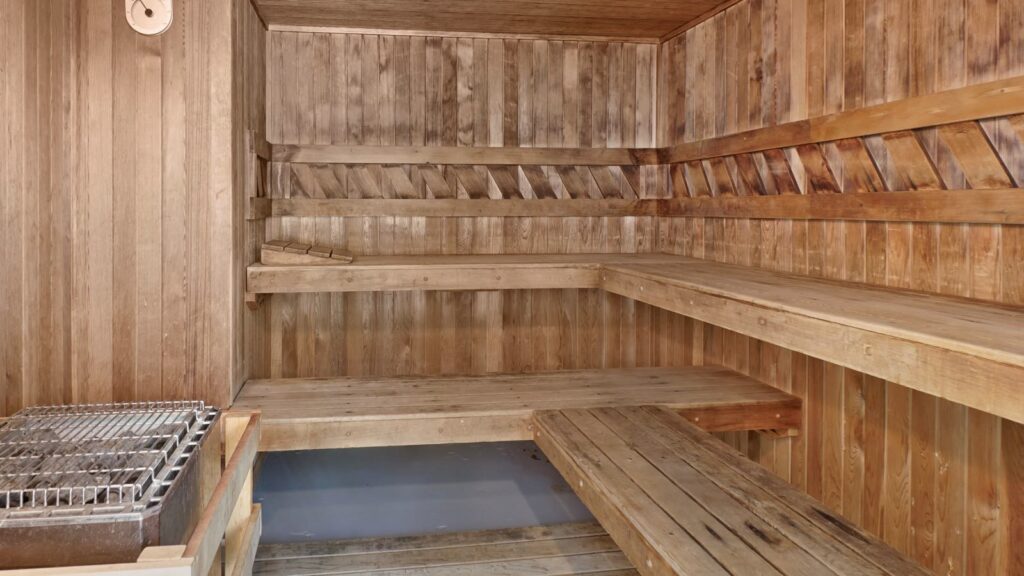
Sauna bathing has acquired the glow of a longevity ritual: sit in heat, raise the heart rate, emerge cleaner in some deeper biological sense. The first two parts are plausible. The last one is not. What the evidence supports is narrower and more interesting: passive heat is a real physiological stressor, and repeated exposure may be linked with better vascular markers, relaxation, and cardiovascular risk patterns. It is not a treatment, and it is not benign for everyone.
Heat is a stressor, not a spa adjective
The word “stress” is often used as if it means only psychological strain. In physiology, it is broader. A sauna asks the body to defend its temperature in a hot environment. Skin blood vessels widen. Sweating increases. Heart rate rises. For many healthy adults, that feels pleasant because the exposure is brief and controllable. For someone with unstable cardiovascular disease, dehydration, fever, or medication-related heat sensitivity, the same exposure can be too much.
This is why sauna research sits in an awkward place. It is neither ordinary relaxation nor exercise. A 2018 review in Mayo Clinic Proceedings described sauna bathing as a passive heat exposure that can affect circulatory, autonomic, and cardiovascular function. That does not mean it works like a workout. Muscle contraction, balance, bone loading, and cardiorespiratory training are mostly absent. The overlap is cardiovascular strain, not the whole exercise package.
Why the cardiovascular evidence gets attention
The strongest claims around sauna use come from cardiovascular observational studies, especially Finnish cohorts where sauna bathing is culturally common. These studies have linked more frequent sauna bathing with lower rates of hypertension, fatal cardiovascular disease, and all-cause mortality. The pattern is intriguing, but it is not the same as proof that sauna use caused the lower risk.
People who use saunas several times a week may differ from non-users in ways that are difficult to fully measure: income, social connection, baseline health, access to leisure, alcohol use, and willingness to maintain other routines. The better reading is that sauna bathing looks like a promising marker and possible contributor within a wider lifestyle pattern. It should not be presented as a substitute for blood-pressure control, lipid management, smoking cessation, or exercise.
More recent trial evidence is beginning to fill in the gap, but cautiously. A 2025 systematic review and meta-analysis of randomised trials on passive heating did not find broad improvements across most cardiometabolic or vascular markers, but did observe possible systolic blood-pressure reductions in systemic heating interventions and in people with coronary risk or cardiovascular disease. The included trials were relatively short, varied in heat method, and often small. That makes the signal worth studying, not settled.
Blood pressure: plausible, but not a prescription
Blood pressure is where sauna bathing sounds most clinically tempting. Heat widens peripheral blood vessels and increases cardiac output during exposure. Repeated exposures may improve endothelial function, arterial stiffness, or autonomic balance. Those mechanisms are plausible, and some trials have reported favourable changes.
One useful example is a 2022 multi-arm randomised trial in sedentary middle-aged adults with at least one cardiovascular risk factor. Participants who added 15 minutes of sauna after exercise for eight weeks had lower systolic blood pressure compared with the exercise-only group, alongside changes in cardiorespiratory fitness and cholesterol. That is encouraging, but it was a small trial with 47 participants. It does not establish a general dose, a long-term outcome benefit, or safety for people with unstable conditions.
The practical distinction matters. If someone already has diagnosed hypertension, chest pain, heart failure, arrhythmia symptoms, fainting episodes, kidney disease, or medication changes, sauna use belongs in a clinician conversation. It should not be used to delay treatment or to test whether symptoms are “just stress”. Heat can lower blood pressure acutely, and standing up quickly after a hot session can trigger dizziness or fainting in susceptible people.
The nervous-system story is smaller than the hype
Many sauna users describe a calmer mood afterwards. That is believable. Heat, quiet, ritual, and a forced pause from screens can all shift subjective stress. The autonomic nervous system is likely involved: heart rate rises in the heat, then settles during cooling, and breathing often slows when the session ends.
But “supports relaxation” is not the same as “treats anxiety” or “resets the nervous system”. Nadia Vern would be suspicious of any claim that turns a body sensation into a diagnosis or a cure. The sauna may be a useful context for downshifting because it is contained, repetitive, and sensorially simple. The evidence is much thinner for mental-health outcomes than for short-term vascular markers. People with panic symptoms, heat intolerance, dysautonomia, or a history of fainting may find heat exposure destabilising rather than soothing.
Sleep claims need the same restraint. A warm bath or sauna can make the post-heat cooling phase feel sleepy, and body-temperature rhythms are tied to sleep onset. Yet sauna use late at night, alcohol after a sauna, or long sessions that leave someone dehydrated can all work in the wrong direction. The experience is not a universal sedative.
Where heat becomes risky
The safer sauna story starts with acknowledging that heat illness is real. The NHS guidance on heat exhaustion and heatstroke lists symptoms such as headache, dizziness, confusion, heavy sweating, cramps, fast breathing or pulse, thirst, and a high temperature. Those are not signs to push through. They are reasons to cool down and seek advice if symptoms do not settle.
Cardiovascular risk also changes the calculation. The American Heart Association advises extra heat precautions for people over 60, people with heart disease, and those taking medicines that affect blood pressure, fluid balance, or heat response. Diuretics, beta blockers, ACE inhibitors, calcium-channel blockers, and other medicines can alter how someone tolerates heat. The answer is not to stop prescribed medication. It is to ask whether heat exposure is appropriate.
Alcohol is a separate red flag. It can impair judgement, worsen dehydration risk, and make fainting or overheating more likely. A sauna after drinking is not a recovery strategy. It is a bad experiment with blood pressure, fluid balance, and reaction time.
What this means in practice
- Treat sauna bathing as optional passive heat exposure, not cardiovascular treatment or a replacement for exercise.
- Keep early sessions short and conservative, especially if you are new to heat exposure or returning after illness.
- Leave promptly if you feel dizzy, confused, nauseous, unusually weak, short of breath, or aware of chest discomfort.
- Avoid sauna use when feverish, dehydrated, hungover, or after alcohol.
- Ask a clinician first if you have heart disease, uncontrolled blood pressure, fainting episodes, kidney disease, pregnancy, diabetes with neuropathy, or medicines that affect heat tolerance.
- Let sauna sit beside the basics: activity, sleep, nutrition, smoking avoidance, and appropriate medical care still carry the heavier evidence.
What we don’t know
The unanswered questions are not small. We do not yet have a confident sauna “dose” for health outcomes: temperature, humidity, session length, frequency, cooling method, and timing may all matter. Finnish dry sauna studies may not translate neatly to infrared cabins, steam rooms, hot baths, or commercial wellness suites. A person who enjoys a quiet sauna after exercise is not necessarily receiving the same exposure as someone doing repeated extreme heat and cold cycles for social media.
We also do not know how much of the apparent benefit comes from heat itself rather than the life around it. The most enthusiastic sauna users may also be more active, more socially connected, and more consistent in other routines. Trials can reduce that uncertainty, but most are still short and modest in size.
The cautious conclusion is simple: sauna heat exposure is biologically active, often relaxing, and plausible as a supporting habit for some healthy adults. It is not detoxification, not a cure for stress, and not a blood-pressure treatment. The heat is real. So are the limits.
Photo: hi room on Pexels.