Exercise & Movement
Walking Speed After 60: Useful Signal, Not Destiny
Walking speed can flag mobility and health risk after 60, but it needs context, repeat testing, and cautious strength and balance work rather than panic.
Read the articleExplore the journal
Walking speed can flag mobility and health risk after 60, but it needs context, repeat testing, and cautious strength and balance work rather than panic.
Read the articleWalking speed can flag mobility and health risk after 60, but it needs context, repeat testing, and cautious strength and balance work rather than panic.
Read the articleEccentric training can support strength and function after 50, but slower lowering work needs careful dosing, recovery, and joint-pain caution.
Read the articleBalance training can reduce falls in older adults, but it works best as cautious, progressive practice alongside strength and medical context.
Read the articleGrip strength can flag muscle and function risk in later life, but it is a marker, not a verdict. Training should build the whole body safely.
Read the articlePower training can help adults over 50 practise controlled speed, but it belongs beside strength, balance, and medical caution.
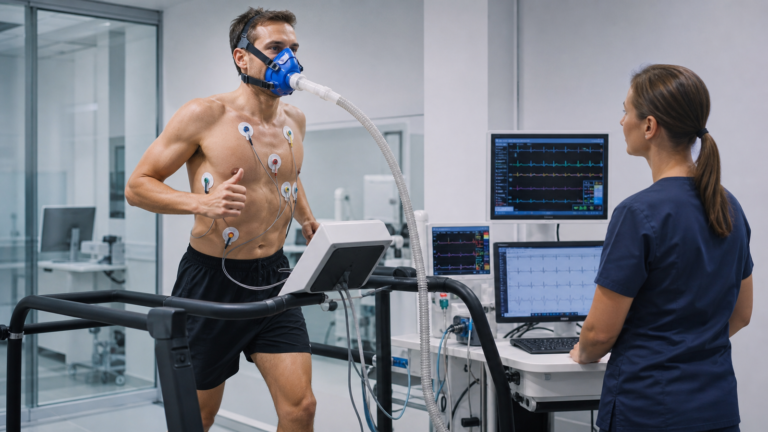
Read the articleVO2 max is a useful marker of cardiorespiratory fitness, but the evidence supports cautious interpretation rather than a personal longevity score.
Read the articleZone 2 cardio is useful because it is repeatable, not magical. Here is what the evidence says about intensity, insulin sensitivity, and safety.
Read the articleStrength training after 40 is not a shortcut to youth, but evidence suggests it can support muscle, bone, balance, and daily function when progressed carefully.
Read the articleFind a little clarity