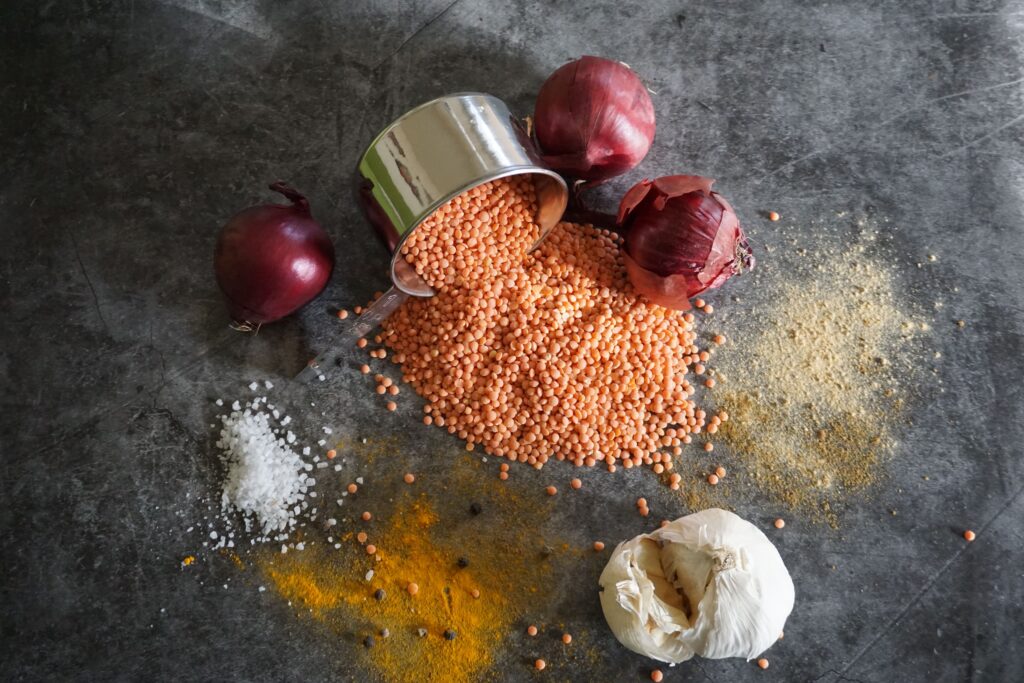
Beans are often sold as the answer to two problems at once: expensive food and an imperfect diet. The claim is plausible, but the shopping basket needs closer inspection. A cheap bag is only useful if it becomes meals. The practical question is how pulses can replace some costly ingredients without adding unaffordable preparation, wasted food or a new set of dietary rules.
Start with the dinner, not the health promise
The budget case has a firmer starting point than a promise about lifespan. The British Heart Foundation’s guide to pulses describes beans, peas and lentils as inexpensive sources of protein and fibre, and suggests replacing some meat with them. That is a food substitution, rather than evidence that a particular number of bean dinners produces a measurable clinical benefit.
For this purpose, the useful question is specific: which ingredient would you buy less of? Adding chickpeas to a meal while buying the same amount of everything else does not automatically save money. Using beans in a chilli that would otherwise contain more mince creates a comparison you can actually cost. Whether anyone likes the result is another question, and it deserves an answer before buying a cupboard’s worth.
There is a nutritional reason to consider pulses, too. Harvard’s Nutrition Source describes their protein, fibre and micronutrients, including iron and folate. That composition supports their place in meals. It does not make cooked beans and meat interchangeable gram for gram, or turn a price calculation into a nutritional assessment.
Put the substitution on paper
A concrete example is more useful than calling every lentil meal cheap. The BHF’s budget-eating guidance suggests using less meat in familiar dishes, including sauces, stews and curries, with beans and vegetables taking some of its place. The following figures illustrate the arithmetic; they are hypothetical inputs, not current supermarket prices or a tested recipe.
Suppose a four-portion chilli normally uses a 500g pack of mince costing £4. In a trial version, you use half that pack, costing £2, plus a tin of beans costing 60p. The compared ingredients cost £2.60 rather than £4: a difference of £1.40 for the pot, or 35p per portion. Tomatoes, onions, spices, accompaniments and cooking energy are excluded from both figures.
That is a conditional saving. It assumes the other half of the mince is used in another meal and that the revised dish still provides four satisfactory portions. If you discard the remaining mince, or buy extra ingredients to rescue a dinner nobody wants, the result changes. A trial batch is a way to test a household preference, not a requirement to accept a particular texture.
The calculation can be repeated with your own receipt: cost of the ingredient removed, minus cost of its replacement, divided by the number of portions actually eaten. Keep the assumptions beside the answer. A saving that depends on a special offer should not be presented as a permanent price.
Compare food you can eat, not packet weight
A shelf label cannot answer every version of the value question. For a tin that will be drained, the drained weight is the relevant quantity for that meal. As another hypothetical example, a 60p tin providing 240g drained beans costs 25p per 100g of drained food. Dividing by a 400g total pack weight would give 15p, but that would include liquid you planned to discard.
A dried packet presents a different comparison because its weight is measured before cooking. Use the amount of cooked food a batch actually yields when comparing it with ready-cooked beans. The point is consistent accounting, rather than a universal conversion: dry grams and cooked grams are different denominators.
There is also a difference between the cost assigned to one recipe and the money needed at the till. A larger packet might offer a lower unit price while requiring more cash today. That can be a perfectly good reason to choose the smaller pack. Budget writing becomes unhelpful when it assumes everyone can afford the cheapest option per kilogram.
Convenience belongs in the calculation
Dried beans ask for preparation that a ready-cooked tin does not. Diabetes UK explains the preparation involved in dried pulses, and notes that tinned pulses avoid that lengthy preparation. Follow the packet instructions for the product in front of you. In particular, dried kidney beans require proper preparation and thorough cooking to destroy naturally occurring toxins; a low purchase price is no reason to improvise that step.
Time, equipment and energy therefore belong beside the ingredient price. A household with limited cooking facilities may reasonably value a tin differently from one with a reliable hob and time to prepare a batch. Neither choice needs a moral explanation. The cheaper ingredient on paper may be the less practical dinner.
Nor is it necessary to buy an appliance to make beans financially respectable. The relevant comparison is what can be made with the equipment already available. If a proposed saving requires a purchase, include that purchase before calling it a saving.
Plan the second use before buying the first pack
The BHF’s shopping-list guidance recommends checking existing supplies and planning shared ingredients. For a pulse-based meal, that might mean choosing a tomato sauce you already use rather than buying a new collection of specialist seasonings. A second dish could use some of the same ingredients, without needing to be identical.
This is an editorial planning example: a bean chilli and a chickpea tomato stew could share onions, tomatoes and familiar spices. The amounts and storage arrangements would depend on the recipes and their instructions. The purpose is to make every purchased ingredient answer a question: where will the remainder go?
Labels deserve attention as well. The BHF’s pulse guide cautions that pulse-based crisps and snacks can still contain substantial salt or fat. Comparing salt, saturated fat and serving size is more useful than trusting a bean on the front of the packet. Those ingredients do not erase the fibre or protein; equally, a pulse ingredient does not settle the value or nutritional quality of the finished product.
What this means in practice
- Consider one familiar meal in which pulses could replace some meat; price both versions using your own shopping options.
- For drained tins, calculate value using drained weight. Compare dried products after accounting for preparation and cooked yield.
- Choose a format that fits your equipment and available time, and follow its preparation instructions.
- Give leftover ingredients a named second use before buying a larger pack for its unit-price saving.
- Compare salt and saturated fat on convenience-food labels, alongside price and the portion you expect to eat.
- Treat meal frequency as a preference, not a therapeutic dose. Two or three pulse meals could be an optional planning idea, rather than an outcome-backed target.
What we don’t know
We cannot give a universal saving per meal. Local prices, transport, available equipment, edible yield and waste can change the result. The arithmetic above demonstrates a method under stated assumptions; it is not evidence that every household will save 35p per portion. Nor have we compared the full nutritional composition of those hypothetical dishes.
Digestive tolerance is another limit. Cambridge University Hospitals explains that fermentable carbohydrates in beans and pulses can contribute to symptoms in sensitive people. There is no promise here that rinsing or smaller portions will resolve persistent symptoms within a few weeks. Troublesome symptoms merit clinical advice; a prescribed diet or known allergy takes precedence over a general budget suggestion. Restrictive approaches such as a low-FODMAP diet need appropriate professional guidance.
Finally, this is a shopping and meal-planning argument. It does not establish that replacing an ingredient at a specified weekly frequency prevents heart disease or extends life. A meal can be affordable and useful without carrying that larger claim.
The strongest budget test is ordinary: does the revised dinner cost less, get eaten, and fit the household? A bag of lentils cannot answer those questions on its own. A receipt and a workable meal can.
Photo: Antigoni Pavlaki on Pexels.