Iron deficiency has become one of those blood-test findings that nutrition writing should handle carefully. A low ferritin result can mean depleted stores. It can also arrive beside fatigue, breathlessness, and a shopping basket that has quietly stopped including the foods that carry iron well. The sensible case is not to panic-buy tablets. It is to ask what the diet is doing, what the body may be losing, and when food changes are enough.
Why iron matters more after 50, not less
Iron sits at the centre of haemoglobin, oxygen transport, and a long list of enzyme reactions. That makes deficiency feel vague when it starts: tiredness, reduced exercise tolerance, paler skin, headaches, and the sense that ageing is simply catching up.
After 50, the picture shifts in two directions at once. For many women, menstrual blood loss drops, so dietary iron needs fall from 14.8mg to 8.7mg a day under NHS iron guidance. That sounds reassuring. It is also when unexplained iron deficiency becomes a medical question rather than a lifestyle footnote.
A 2021 review in The Lancet notes that iron deficiency can impair function even before full anaemia appears, and that an underlying cause should be sought in all patients. In men and postmenopausal women, gastrointestinal blood loss is a common explanation. Diet can contribute. It rarely explains everything on its own.
Food sources are broader than red meat
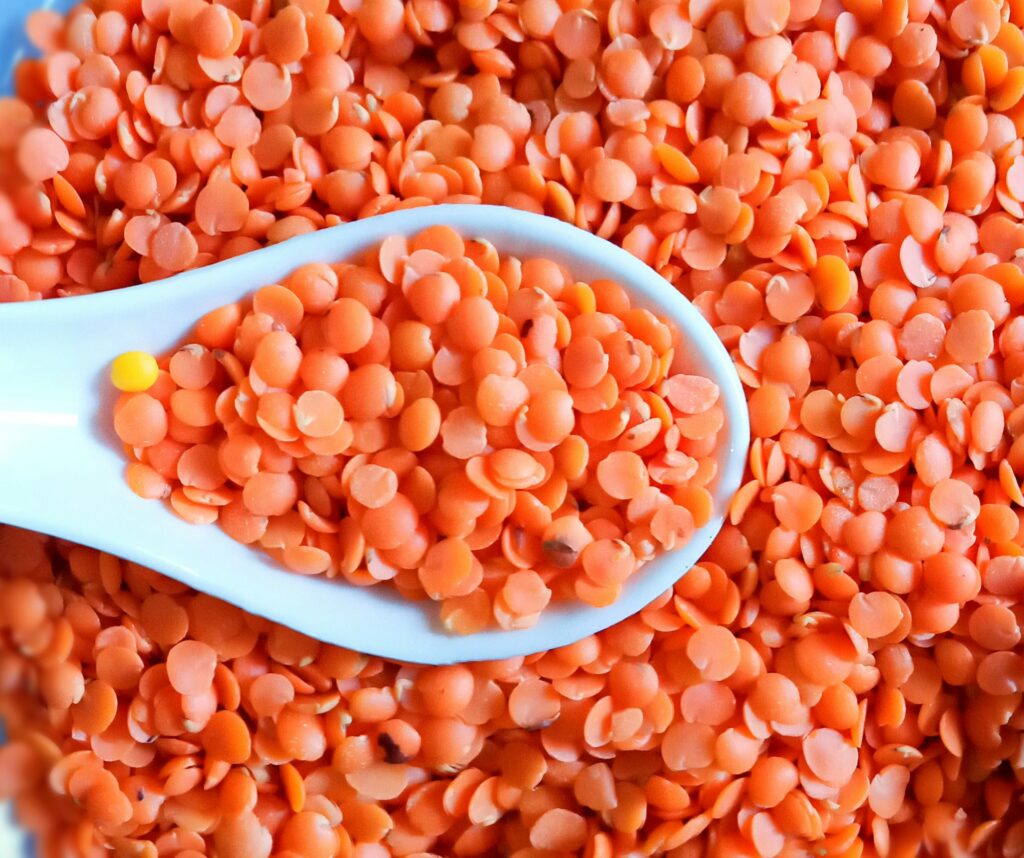
The popular version of an iron-rich diet still centres on steak. That is not wrong, but it is incomplete. NHS advice on iron deficiency anaemia lists dark-green leafy vegetables, fortified cereals and bread, meat, dried fruit, and pulses such as beans, peas, and lentils.
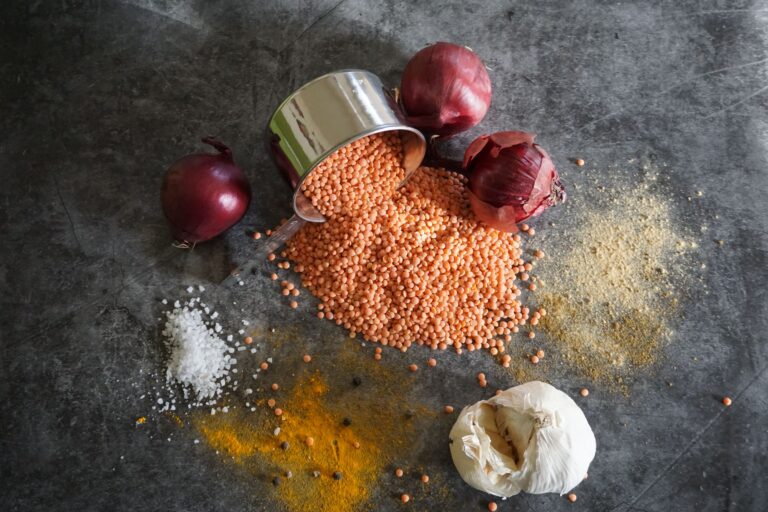
That list matters because it keeps iron inside an ordinary weekly shop. Chickpeas in a stew, lentils with vegetables, fortified breakfast cereal, dried apricots in porridge, and watercress or kale in a soup all count. So do nuts, edamame, and soy flour. The goal is not a heroic liver portion every Tuesday. It is a plate that regularly includes absorbable iron rather than treating deficiency as a supplement problem alone.
There is also a public-health tension worth naming plainly. Red meat contains haem iron, which the body absorbs more efficiently than plant iron. The same NHS iron page points readers to guidance on limiting red and processed meat because of the probable link with bowel cancer. The practical answer is mixed sources: some meat or fish if you eat them, plus pulses, greens, nuts, and fortified foods if you do not.
Absorption is where diets succeed or fail
Many people who believe they eat enough iron are actually eating it at the wrong time, beside the wrong drinks, or in forms the gut handles poorly. Non-haem iron from plants and fortified foods is more sensitive to the rest of the meal.
Vitamin C helps. The NHS suggests drinking orange juice after an iron tablet because acidity improves absorption, and the same principle applies to food. A lentil salad with peppers, a bean stew with tomatoes, or fortified cereal with berries is a different absorption proposition from the same pulses eaten alone after strong tea.
Tea, coffee, milk, dairy, and high-phytate wholegrains can work against absorption when they dominate the same meal. NHS guidance for people with iron deficiency anaemia recommends eating and drinking less tea, coffee, milk, and dairy around iron-rich meals, and being aware that phytic acid in some wholegrains can reduce uptake from other foods and tablets.
That does not make tea or wholegrains bad foods. It means timing matters. If your main iron source is lunch, drinking milky tea with it every day may be undermining a reasonable diet.
When food is enough, and when it is not
Dietary change is the right first conversation for mild deficiency linked to low intake, vegetarian patterns without planning, or heavy tea-with-meals habits. It is not the right endpoint when anaemia is confirmed, symptoms are significant, or the patient is an adult man or postmenopausal woman with no obvious explanation.
The British Society of Gastroenterology guideline on iron deficiency anaemia states that roughly a third of men and postmenopausal women presenting with iron deficiency anaemia have an underlying pathological abnormality, most commonly in the gastrointestinal tract. That is why unexplained deficiency in those groups needs clinical assessment rather than a larger bag of spinach.
Our piece on ferritin testing covers the blood-marker side of this story. Ferritin can point toward low stores, but it is not a licence to self-treat. The nutrition question and the medical question run together: what are you eating, and what might you be losing?
Supplements belong in the medical lane
Iron tablets are effective when deficiency is confirmed and a clinician has chosen the dose and duration. They are also easy to misuse. Side effects are common: constipation, nausea, stomach pain, and dark stools. Very high doses can be dangerous, especially to children, which is why the NHS warns to keep iron supplements out of reach.
There is another problem familiar from supplement categories more broadly: people start iron because fatigue and a borderline blood result feel actionable, without checking whether anaemia is present, whether bleeding needs investigation, or whether inflammation is distorting the marker picture. Food-first advice is not anti-treatment. It is an insistence that treatment should follow diagnosis.
For people who do need tablets, food still matters. Taking iron with or after food can reduce side effects. Building better meals alongside treatment may reduce the chance of ending up back in the same place six months later.
How this fits the rest of the plate
Iron does not live in isolation on the menu. People low in iron are often low in the broader pattern that carries it: beans, lentils, greens, eggs, fish, nuts, and whole grains. That overlap is useful because it points toward food changes that help more than one problem at a time.
Our article on legumes for longevity makes a similar case from another angle. Pulses are not magic foods. They are practical, affordable, fibre-rich sources of iron and protein that many older adults underuse because they require soaking, seasoning, or simply a remembered habit.
The same is true of vitamin B12 and folate, which sit beside iron in many anaemia work-ups. A narrow obsession with iron tablets can miss the mixed-deficiency patterns that become more common with age, restricted diets, or malabsorption.
What this means in practice
- Build iron into regular meals: pulses, beans, lentils, dark greens, eggs, fish, poultry, nuts, dried fruit, and fortified cereals.
- Pair plant iron with vitamin C-rich vegetables or fruit at the same meal.
- Move tea, coffee, and large milky drinks away from your main iron-containing meal when possible.
- Do not rely on red meat alone, and follow public-health guidance on limiting red and processed meat.
- See a GP if you have symptoms of iron deficiency anaemia, especially unexplained deficiency in men or postmenopausal women.
- Use supplements only when a clinician has confirmed deficiency and chosen the dose; keep them away from children.
What we don’t know
We do not know the exact dietary pattern that will correct iron deficiency in every older adult, because absorption, blood loss, inflammation, and medication use all change the maths. We also do not know how much mild low ferritin in otherwise well people should be managed through food alone without follow-up testing.
Nor is there a clean ranking of foods that works for everyone. A portion of lentils helps many people. It may not be enough for someone with coeliac disease, inflammatory bowel disease, recurrent gastrointestinal bleeding, or heavy periods that have not been addressed. The honest recommendation is modest: improve the plate first, but do not let food advice delay investigation when the clinical picture demands it.
Iron-rich eating after 50 is worth doing because it is low-risk, broadly useful, and often neglected. It is not a substitute for finding out why stores fell in the first place.
Photo: Amna Shoukat on Unsplash.