Biomarkers & Testing
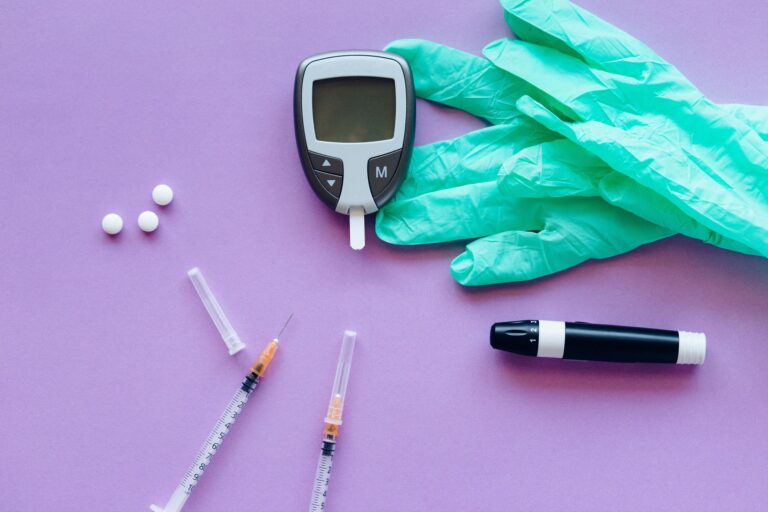
HbA1c Testing: Useful Average, Not Full Glucose Story
HbA1c is a useful average of recent glucose exposure, but anaemia, kidney disease, and glucose swings can make the number less complete in practice.
Read the articleExplore the journal
HbA1c is a useful average of recent glucose exposure, but anaemia, kidney disease, and glucose swings can make the number less complete in practice.
Read the articleFaecal calprotectin can flag gut inflammation and help separate IBD from IBS, but the number needs symptoms, context, and follow-up before guiding care.
Read the articleAPOE testing can clarify inherited Alzheimer's risk and treatment safety, but it cannot predict disease and needs careful genetic counselling.
Read the articleUric acid can flag gout and kidney-stone risk, but evidence does not support treating a silent high result as a stand-alone longevity target today.
Read the articleGGT is a useful liver enzyme signal, but it cannot diagnose disease or rank your longevity. Read it with the wider panel and clinical context.
Read the articleHomocysteine can flag B-vitamin, kidney, and vascular risk signals, but the evidence does not make it a standalone longevity score or treatment target.
Read the articleThe omega-3 index measures EPA and DHA in red blood cells, but it is not a stand-alone heart score. Here is what the biomarker shows and what it…
Read the articleNT-proBNP rises when the heart is under strain. The test is most useful for suspected heart failure, not as a routine longevity score for healthy adults.
Read the articleResting heart rate is a useful signal, but not a verdict. The number shifts with fitness, stress, illness, medicines, and how you measure it.
Read the articleRDW can add context to blood-count results and ageing-risk research, but it is a non-specific signal that needs careful clinical interpretation.
Read the articleFind a little clarity