Nutrition & Diet
Iron-Rich Foods After 50: Food First, Not Supplement Panic
Iron deficiency after 50 needs a better plate, not panic supplements. Here is what food can do, what absorption blocks, and when to see a clinician.
Read the articleExplore the journal
Science-backed dietary strategies, food choices, and nutrient timing to fuel longevity and optimize metabolic health.
Iron deficiency after 50 needs a better plate, not panic supplements. Here is what food can do, what absorption blocks, and when to see a clinician.
Read the articleCruciferous vegetables deserve their healthy reputation, but the evidence supports a practical food habit, not detox claims or longevity shortcuts.
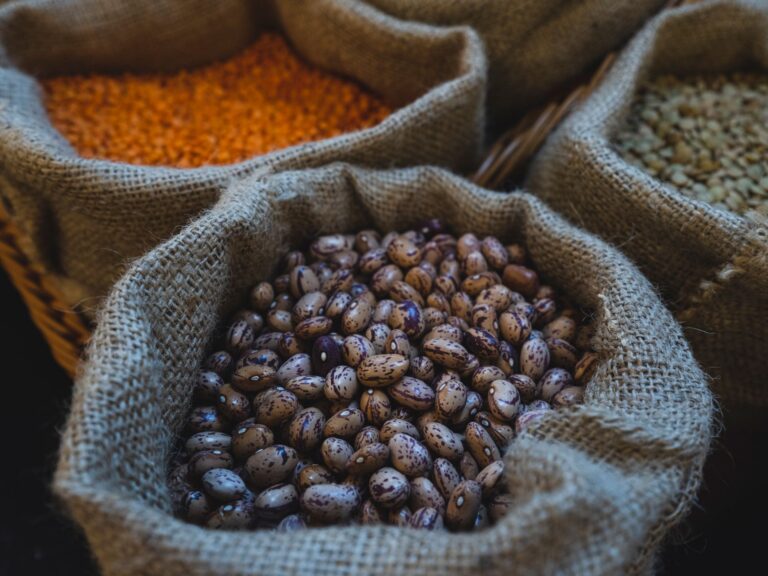
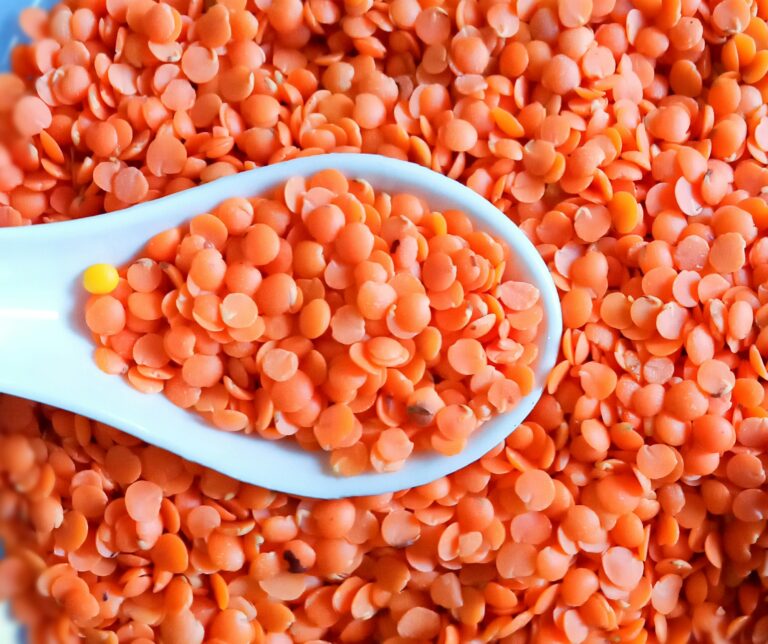
Read the articleLegumes look ordinary, but evidence links beans, lentils and chickpeas with better cardiometabolic health. The useful weekly dose is modest.
Read the articlePrebiotics feed helpful gut bacteria, yet food sources still beat powders in the evidence. Onions, beans, oats, and chicory outperform most branded supplements.
Read the articlePolyphenols in berries, coffee, tea, and beans may shape gut microbes, but the evidence favours food variety over pills or miracle claims for now.
Read the articleEmulsifiers make packaged foods smoother and longer lasting. Human evidence raises real questions, but it is not yet a reason to fear every label.
Read the articleProtein at breakfast may help older adults meet daily needs, but muscle still depends on total intake, resistance training, and enough overall food.
Read the articleNon-sugar sweeteners are sold as the obvious fix for sugar: same sweetness, fewer calories, fewer metabolic sins. The evidence is messier. Short trials often show modest weight benefits…
Read the articleSugar substitutes can reduce sugar intake, but evidence on weight, heart health, and gut effects is mixed. Here is where they help and where they do not.
Read the articleSugar substitutes can reduce sugar intake, but evidence on weight, heart health, and gut effects is mixed. Here is where they help and where they do not.
Read the articleFind a little clarity