Supplements & Nootropics
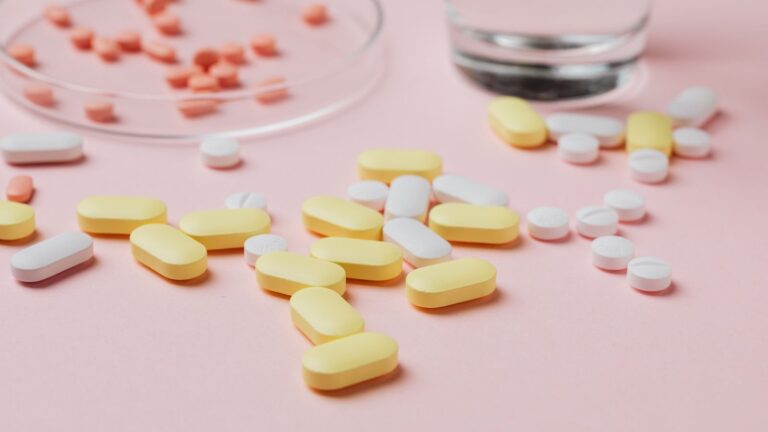
Zinc Supplements for Immunity: Signal, Not Cold Armour
Zinc matters for immune function, but supplements mainly help when intake is low. The evidence for colds, older adults, and safety is narrower.
Read the articleExplore the journal
Zinc matters for immune function, but supplements mainly help when intake is low. The evidence for colds, older adults, and safety is narrower.
Read the articleTai chi can improve balance and may reduce falls in older adults, but it works best as structured practice, not as a guarantee against injury.
Read the articleEating earlier may modestly help glucose control, but the evidence supports timing as a small metabolic lever, not a stand-alone treatment for everyone.
Read the articleLate meals can worsen glucose handling for some people, but timing is a signal to adjust, not a moral rule. Here is what the evidence actually shows.
Read the articleWhen stress narrows the world, attention tends to fold inward. The inbox, the symptom, the replayed conversation: each becomes larger because the mind has little room for anything…
Read the articleEmulsifiers make packaged foods smoother and longer lasting. Human evidence raises real questions, but it is not yet a reason to fear every label.
Read the articleGGT is a useful liver enzyme signal, but it cannot diagnose disease or rank your longevity. Read it with the wider panel and clinical context.
Read the articleHomocysteine can flag B-vitamin, kidney, and vascular risk signals, but the evidence does not make it a standalone longevity score or treatment target.
Read the articleMenopause brain fog is easy to minimise until it happens to you. A name vanishes mid-sentence. A familiar task takes longer. The brain feels less quick, less orderly,…
Read the articleCBT-I treats chronic insomnia by retraining sleep timing and habits. It is first-line care, but not a quick fix or a cure-all for every sleeper.
Read the articleFind a little clarity