Supplements & Nootropics
Berberine for Metabolic Health: Promise, Not a Shortcut
Berberine may modestly improve blood sugar and lipids, but the evidence is short-term, mixed, and complicated by real drug-interaction risks.
Read the articleExplore the journal
Berberine may modestly improve blood sugar and lipids, but the evidence is short-term, mixed, and complicated by real drug-interaction risks.
Read the articleCaffeine and L-theanine are often sold as a calmer way to stay alert. That is a bigger claim than the evidence supports. Caffeine is the active stimulant here;…
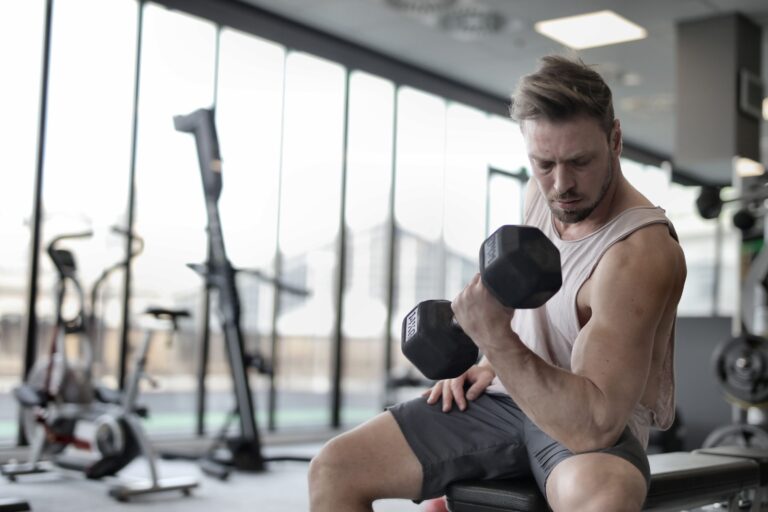
Read the articleStrength training can support healthy ageing, but it is not a proven life-extension treatment or a substitute for medical care. The evidence is measured.
Read the articleWeight-bearing exercise can help maintain bone density after 50, but not every type works equally. Here is what the evidence shows about impact, resistance, and safety.
Read the articlePerimenopause can disrupt sleep, mood, and cycles years before the final period, but symptoms vary widely and testing has limits. Context matters.
Read the articleProgesterone after 40 affects sleep, brain function, and metabolism, but the evidence base for those non-reproductive effects still has surprising gaps.
Read the articleIntermittent fasting does not automatically cost muscle mass, but protein intake, training, and deficit size matter more than the eating window alone.
Read the articleProgressive muscle relaxation may ease stress for some adults, but evidence is mixed and it should not replace care for anxiety, pain, or trauma symptoms.
Read the articleRDW can add context to blood-count results and ageing-risk research, but it is a non-specific signal that needs careful clinical interpretation.
Read the articleSleep inertia can make mornings feel foggy after 50, but sleep timing, sleep debt, medicines, and safety matter more than willpower or blame.
Read the articleFind a little clarity