Stress & Nervous System
Allostatic Load: Stress Biology, Not a Wellness Score
Allostatic load can frame how chronic stress affects the body, but it is a research construct, not a personal score or diagnosis. Context matters.
Read the articleExplore the journal
Allostatic load can frame how chronic stress affects the body, but it is a research construct, not a personal score or diagnosis. Context matters.
Read the articlePlant sterols can modestly lower LDL cholesterol, but products, dose, diet context, medicines, and rare genetic risks decide how useful they are.
Read the articleThe 30-plants-a-week rule can nudge useful dietary variety, but the evidence supports a flexible habit, not a hard gut-health target for everyone.
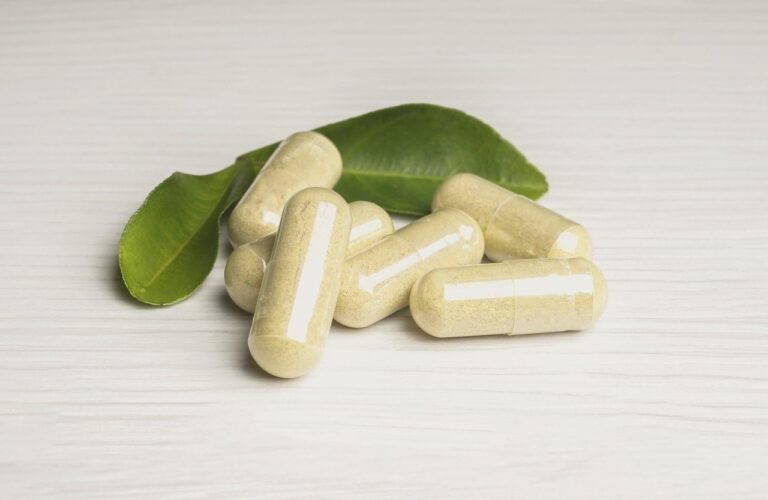
Read the articleAshwagandha has some stress and sleep evidence, but liver, thyroid, pregnancy, medication, and product-quality cautions should shape any discussion.
Read the articleThe chair-stand test can flag changes in leg strength and mobility after 60, but technique, pain, balance, and clinical context shape its meaning.
Read the articleHot flushes and night sweats can disrupt midlife sleep and work, but treatment choices depend on symptom burden, risks, and clinical context.
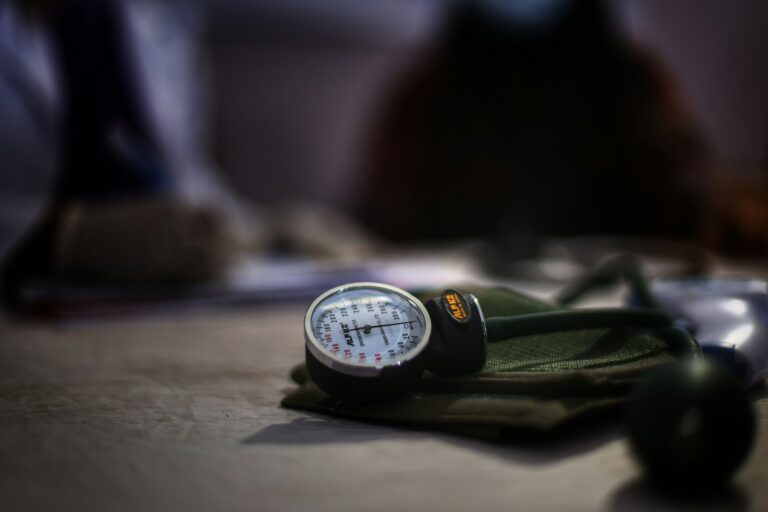
Read the articleHome blood pressure monitoring can clarify risk and treatment response, but cuff fit, technique, averages, and clinical context decide what it means.
Read the articleCollagen peptides may modestly help joint pain, but product type, study quality, allergy risk, supplement safety, and realistic expectations matter.
Read the articleDaytime naps can restore alertness after 60, but long, frequent, or morning naps may flag poor sleep, illness, medicines, frailty, or wider health context.
Read the articleFerritin can clarify iron stores, but low or high results need clinical context, repeat testing, and caution with supplements or iron-overload concerns.
Read the articleFind a little clarity