Testosterone Decline: Natural Ways to Support Healthy Levels
Testosterone can decline with age, but lifestyle only helps in context. Here is how sleep, strength, weight, supplements, and testing fit the evidence.
Read the articleExplore the journal
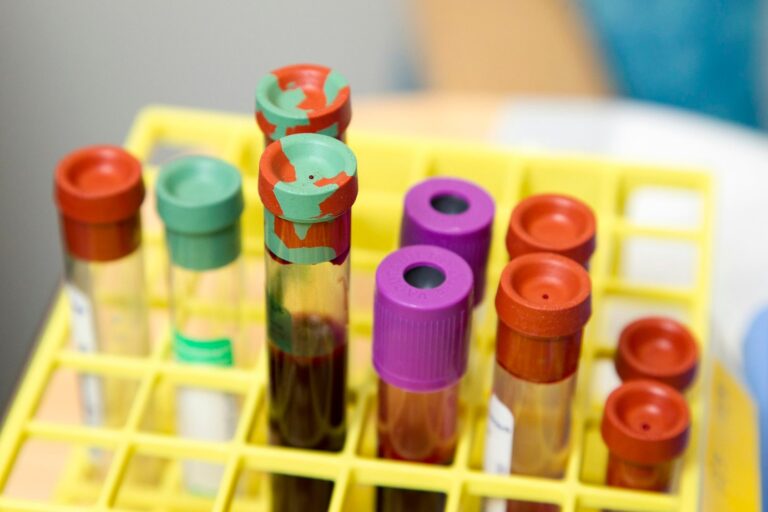
Testosterone can decline with age, but lifestyle only helps in context. Here is how sleep, strength, weight, supplements, and testing fit the evidence.
Read the articleApoB can clarify cardiovascular risk when LDL cholesterol looks incomplete, but it is one marker to discuss in context with a qualified clinician.
Read the articleBiological age tests can illuminate ageing research, but personal results need caution. Here is what the strongest clocks can and cannot show.
Read the articleThe useful longevity blood tests are the ones that clarify cardiovascular, metabolic, kidney, liver, and blood-count risk without overclaiming.
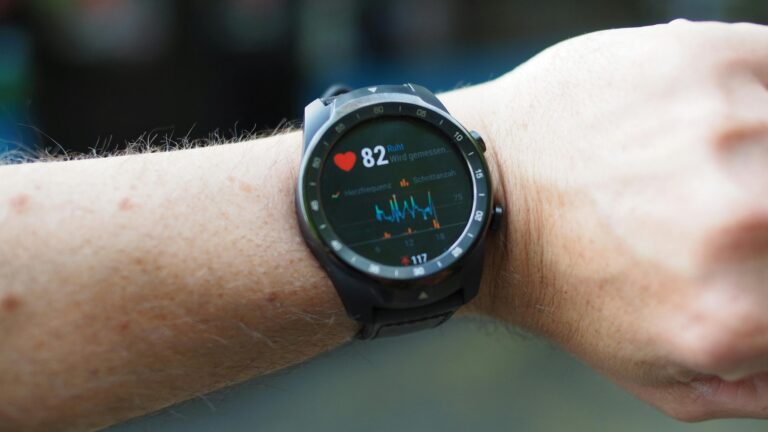
Read the articleHRV can reveal useful stress and recovery patterns, but only when read as a trend, not a diagnosis. Here is how to track it without overreacting.
Read the articleCold exposure may help some people feel calmer or recover after exercise, but the evidence is narrow and the risks matter, especially for heart health.
Read the articleA physiological sigh may briefly ease arousal, but the evidence supports a modest stress tool, not treatment for anxiety, panic, or breathlessness.
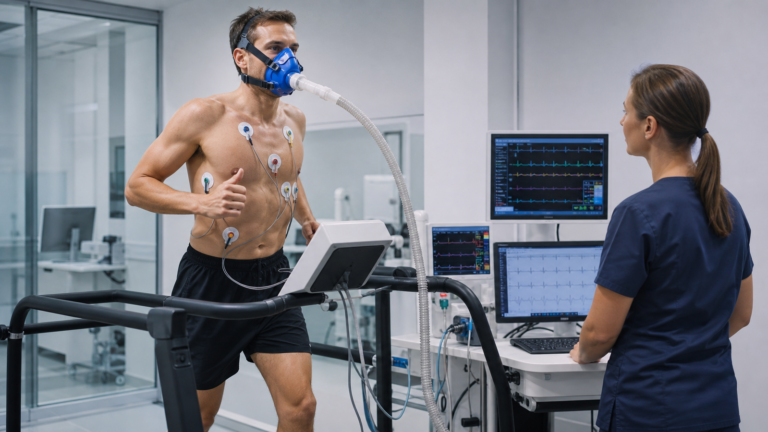
Read the articleVO2 max is a useful marker of cardiorespiratory fitness, but the evidence supports cautious interpretation rather than a personal longevity score.
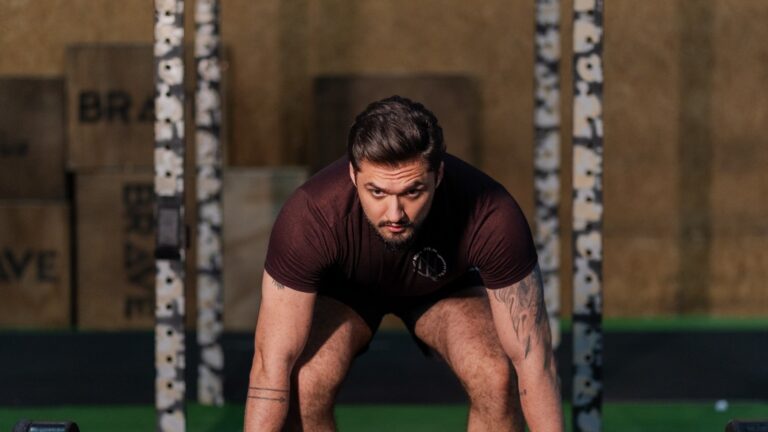
Read the articleStrength training after 40 is not a shortcut to youth, but evidence suggests it can support muscle, bone, balance, and daily function when progressed carefully.
Read the articleZone 2 cardio is useful because it is repeatable, not magical. Here is what the evidence says about intensity, insulin sensitivity, and safety.
Read the articleFind a little clarity