Stress & Nervous System
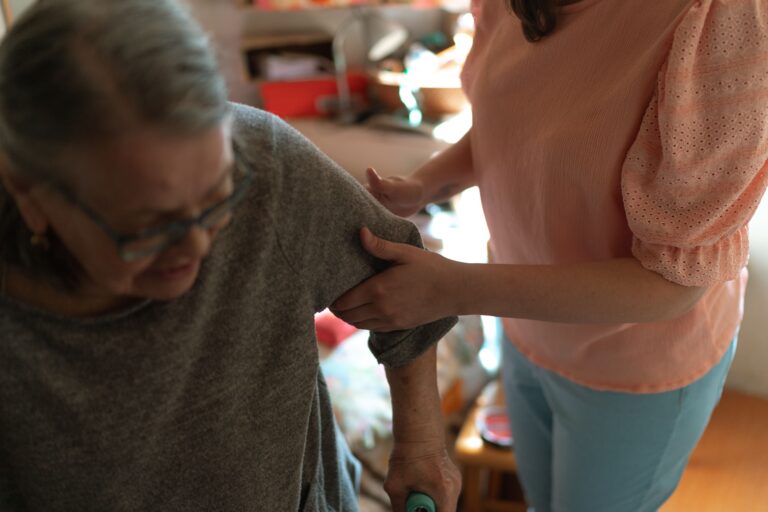
Dementia carer stress: what useful support can offer
Support for dementia carers can help modestly, but access matters. We examine training, remote programmes, breaks, and when stress needs clinical help.
Read the articleExplore the journal
Support for dementia carers can help modestly, but access matters. We examine training, remote programmes, breaks, and when stress needs clinical help.
Read the articleAlzheimer’s blood tests can support assessment of memory symptoms. Their accuracy depends on the assay, the setting and how uncertain results are handled.
Read the articleRepeated dream-related movements can cause injury. Learn how sleep assessment separates possible causes, and why future-risk claims need careful context.
Read the articleMelatonin gummy labels can differ from measured contents. We examine the evidence, UK prescription rules, medicine interactions, and household safety.
Read the articlePool exercise may support movement after 60, but evidence of superiority over land exercise is mixed. We examine the benefits, limits, and safety checks.
Read the articleAlternate-day fasting offers a modest weight-loss advantage in some trials. We examine the evidence, long-term limits, and who faces greater medical risk.
Read the articleCoffee brewing can affect cholesterol, but longevity claims remain uncertain. We examine paper filters, trial evidence and the limits of a daily cup.
Read the articleLow mood during perimenopause deserves careful assessment. Explore the evidence for HRT, depression care, and when symptoms need prompt medical support.
Read the articleWorkplace burnout needs a look at working conditions as well as coping. We weigh the evidence for change, its limits, and when clinical support matters.
Read the articleA raised PSA result needs context. Explore repeat testing, MRI, biopsy, and the limits of screening evidence before discussing next steps with a clinician.
Read the articleFind a little clarity