Exercise & Movement
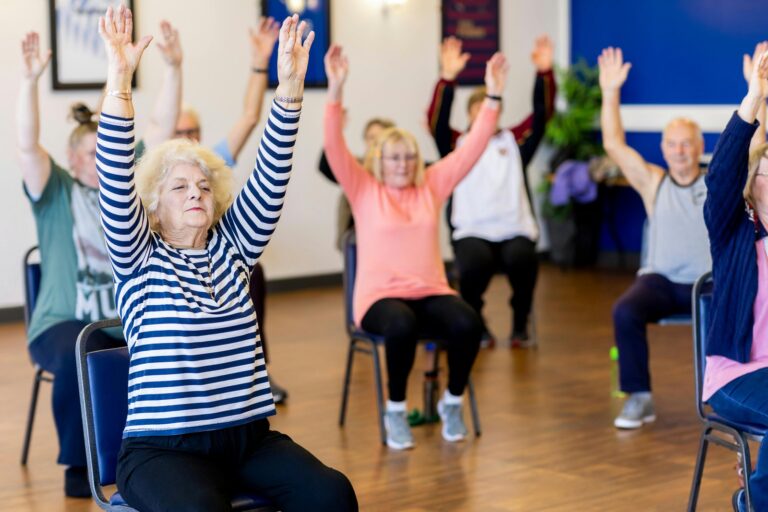
Balance Training After 50: Useful, Not Fall Insurance
Balance training can reduce falls in older adults, but it works best as cautious, progressive practice alongside strength and medical context.
Read the articleExplore the journal
Balance training can reduce falls in older adults, but it works best as cautious, progressive practice alongside strength and medical context.
Read the articleUltra-processed foods are linked with higher health risks, but the useful response is practical substitution, not panic or perfect eating habits.
Read the articleMelatonin may help some circadian timing problems, but it is not a general sedative. Timing, dose, product quality, and medical context matter.
Read the articleVitamin D matters for bone and deficiency, but routine high-dose supplements are not a proven longevity strategy and can cause harm in excess.
Read the articleCGMs can reveal glucose patterns, but for adults without diabetes the evidence is early, noisy, and not a stand-alone reason to change diet.
Read the articleMenopause may affect muscle through hormones, ageing, and activity, but resistance training remains the clearest lever for strength and function.
Read the articleNature exposure may ease stress for some adults, but trials are short and varied. It is a useful support, not treatment for anxiety or illness.
Read the articlehs-CRP can add useful context to cardiovascular risk discussions, but it is an inflammation signal, not a diagnosis or a reason to self-medicate.
Read the articleMagnesium may help some poor sleepers, but trials are small and product-specific. Safety, kidney function, and medicine interactions still matter.
Read the articleGrip strength can flag muscle and function risk in later life, but it is a marker, not a verdict. Training should build the whole body safely.
Read the articleFind a little clarity