Hormones & Optimization
Does HRT Timing Change the Menopause Risk Picture?
What HRT does in the first decade after menopause may differ from what it does later. Here is how timing changes the risk conversation with a clinician.
Read the articleExplore the journal
What HRT does in the first decade after menopause may differ from what it does later. Here is how timing changes the risk conversation with a clinician.
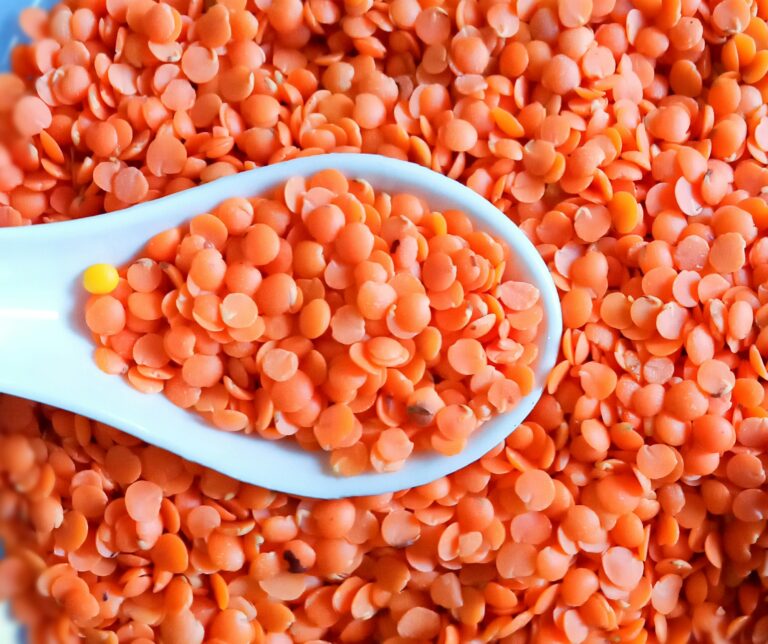
Read the articleIron deficiency after 50 needs a better plate, not panic supplements. Here is what food can do, what absorption blocks, and when to see a clinician.
Read the articleCoronary artery calcium scoring can sharpen heart-risk estimates, but a single number cannot tell you whether plaque is blocking flow or what to do next.
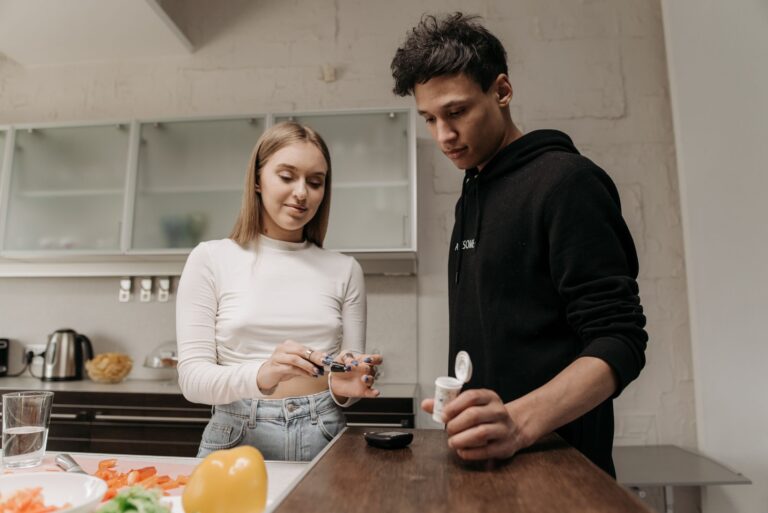
Read the articlePerimenopause is often described as a reproductive transition, which is true but incomplete. Oestrogen and progesterone fluctuations also touch sleep, appetite, fat distribution, muscle, liver metabolism, and insulin…
Read the articleEvening light can delay sleep by shifting the body clock. The useful fix is not screen panic, but brighter mornings, dimmer nights, and steady timing.
Read the articleRhodiola may help some fatigue symptoms, but evidence remains modest and product quality varies. Here is what dose, safety, and sourcing really mean.
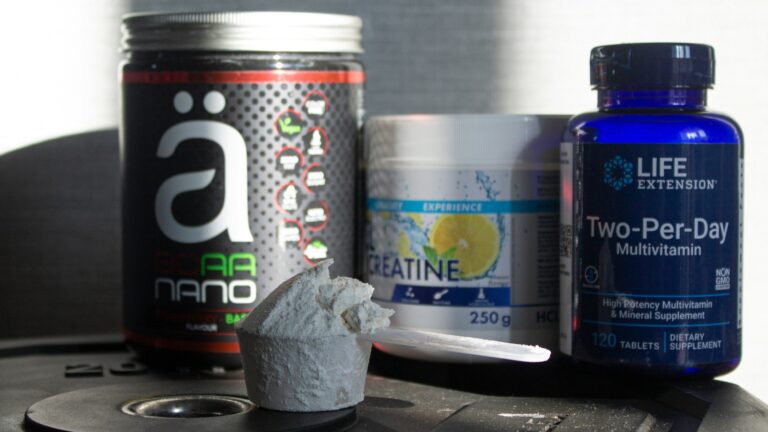
Read the articleCreatine keeps coming back as the supplement with the strongest claim-to-usage gap in longevity media. It is sold as a brain tonic, a metabolic reset, and sometimes a…
Read the articleStep-count targets can help, but 10,000 is not magic. Evidence points to smaller gains first, then a practical range that changes with age and capacity.
Read the articleOMAD can reduce eating opportunities, but evidence points to calorie reduction and adherence, not proven longevity gains, as the main explanation for adults.
Read the articleFasted training may shift fuel use and insulin responses, but evidence does not make it a fat-loss shortcut or a default choice for everyone.
Read the articleFind a little clarity