Resistant Starch and Gut Health: Useful, Not Magic
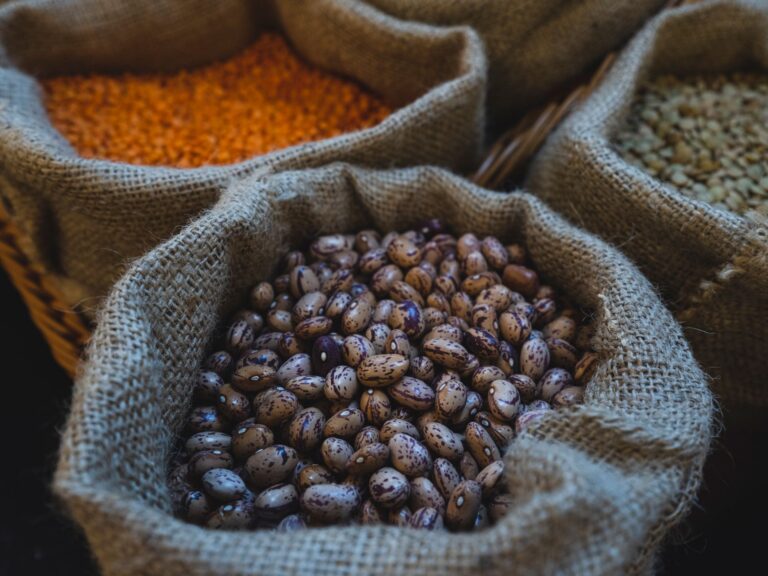
Resistant starch can feed gut microbes and modestly affect glucose markers, but foods, doses, and individual responses matter more than hype.
Snoring after 50 is not a diagnosis, but paired with sleepiness, pauses or cardiovascular risk, it can justify a proper sleep apnoea assessment.
CoQ10 has plausible biology and limited clinical signals, but evidence for statin muscle pain is mixed and medication interactions deserve caution.
Eccentric training can support strength and function after 50, but slower lowering work needs careful dosing, recovery, and joint-pain caution.
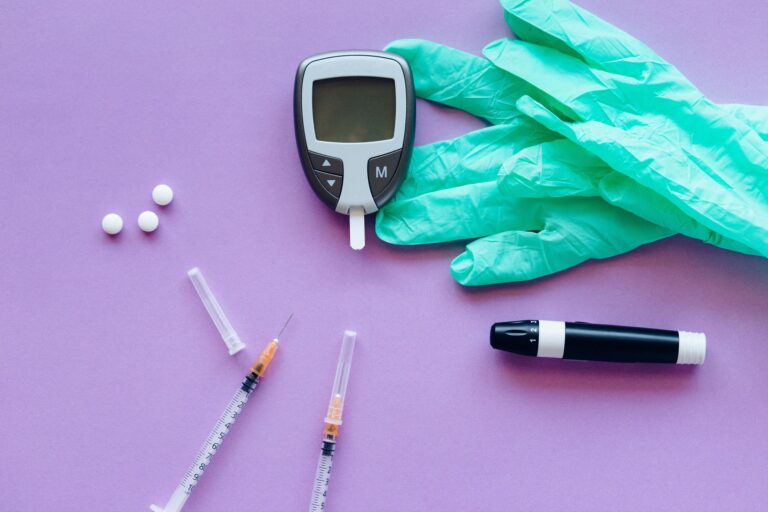
Prediabetes is a useful warning signal, but not a diagnosis with a countdown. Here is what the evidence says about risk, testing, and limits.
Mild subclinical hypothyroidism in later life needs repeat testing, context, and caution. Treatment helps some adults, but not everyone benefits.
Mindfulness can help some adults manage stress and anxiety symptoms, but benefits are modest, context-dependent, and not a substitute for care.
Cystatin C can sharpen kidney-risk assessment when creatinine is noisy, but it is a context marker for clinical decisions, not a longevity score.
Balance training can reduce falls in older adults, but it works best as cautious, progressive practice alongside strength and medical context.
Ultra-processed foods are linked with higher health risks, but the useful response is practical substitution, not panic or perfect eating habits.